
Repair or replace
Signs you need a new roof in Huntersville, NC
Most roofs tell you something is wrong long before they leak. Here is what to look for from the yard and from the attic, and how to think about repair versus replacement.
Start from the ground
You can learn a lot without a ladder. Walk the whole house and look at every slope in good light, ideally with binoculars or a phone zoomed in. You are looking for anything that breaks the pattern: shingles that sit higher than their neighbors, dark or bare patches, lines where the roof seems to dip, and debris collecting in one spot.
Check the gutters and the ground under the downspouts too. Small dark grit that looks like coarse sand is often granules shed from the shingle surface. A little is normal on a roof that is settling in. A steady pile after every rain is a sign the surface is wearing out.
What the shingles themselves tell you
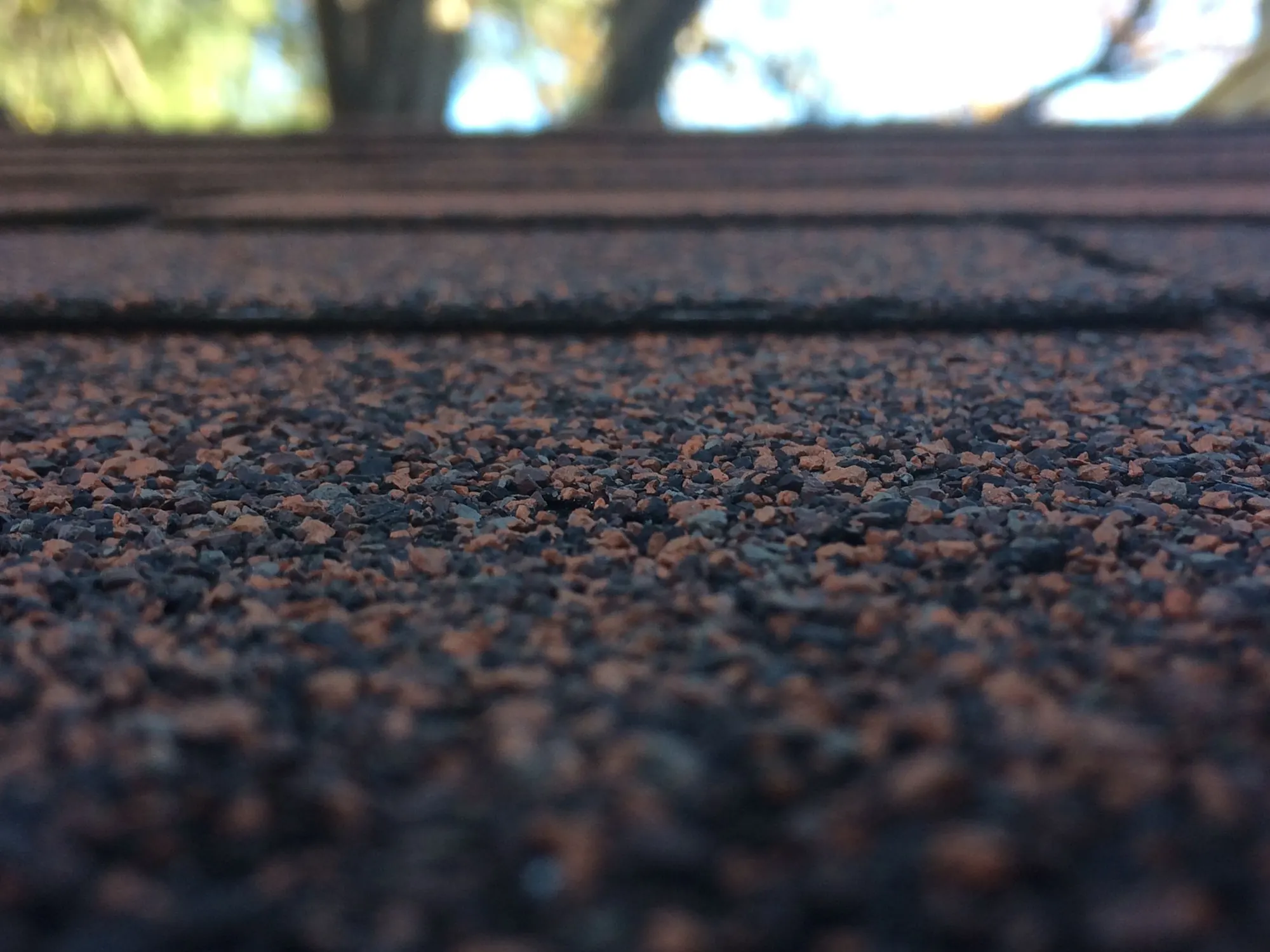
- Granule loss. Shingles are coated with mineral granules that shield the asphalt from sun. Bare, shiny or dark patches mean that protection is going, and the shingle ages faster once it is exposed.
- Curling and cupping. Edges that lift up (curling) or a middle that dishes (cupping) usually point to age, heat or poor attic ventilation. Curled shingles are easier for wind to get under.
- Cracked, torn or missing shingles. One missing shingle after a windstorm is often a repair. Several in different places, or cracks running across a whole slope, point to a roof that is wearing out as a system.
- Lifted tabs and broken seal strips. Shingles are held down by a sealant strip. If tabs flap or lift easily, they can crease and leak the next time wind hits them.
- Dark streaks and moss. Streaks are often algae and mostly cosmetic. Moss that holds moisture against the surface is a different story, especially on shaded slopes.
Check the attic
The attic is where a roof shows its real condition. On a dry day, bring a flashlight and look at the underside of the roof deck. Dark stains, rings that look like water marks, or wood that appears soft or discolored around nails mean moisture has been getting in, sometimes for a long time.
Look for daylight coming through the deck, wet or compressed insulation, and a musty smell. Also notice how hot and stuffy the space is. Poor ventilation cooks shingles from underneath and feeds moisture problems, so an attic that never seems to breathe is worth a closer look. Our page on attic ventilation covers how intake and exhaust work together.
Do not step between joists you cannot see, and do not lean on bare drywall. If the attic is tight or unfloored, a photo from the hatch is safer than a heroic crawl.
Sagging, leaks and interior clues
A sagging ridge or a slope that looks wavy is more serious than worn shingles, because it can mean the structure or deck underneath has been wet. Treat that as a reason to get someone qualified to look soon.
Inside the house, ceiling stains, peeling paint near the top of a wall, and drips during heavy rain are the obvious signs. Less obvious are stains that appear days after a storm, or only on windy days when rain is driven sideways. Water often travels along rafters before it shows up, so the stain is rarely right under the entry point. If you are dealing with an active leak, read what to do right now first.
How age fits in
Age matters, but it is not a countdown clock. How long a roof lasts depends on the shingle product, how well it was installed, attic ventilation, sun exposure, trees overhead, and how many storms it has taken. Two neighbors with the same install date can have very different roofs.
Use age as a reason to look more closely, not as a verdict. An older roof in clean, flat condition may have time left. A younger one that was installed poorly or hit by hail may not. Ask whoever inspects it what condition the roof is actually in, and ask them to show you photos.
Repair or replace: how to think about it
A repair makes sense when the damage is local and the rest of the roof is in decent shape: a storm-lifted section, one failed pipe boot, a patch of flashing that gave out. We cover that work on our roof repair and flashing and leak repair pages.
Replacement starts to make more sense when problems are spread across the roof, when the same spots keep leaking after repairs, when granule loss and curling show up on most slopes, or when the deck has been wet enough to need replacing in several places. Repairing a roof that is wearing out everywhere tends to be a series of small bills that never ends the problem. The question to ask is whether the next repair buys real time or just delays the larger decision.
For what shapes a replacement proposal, see how roof pricing works.
What to do next
If you have seen two or three of these signs, get the roof looked at before the next big storm, not after. A walk on the roof with photos and a written scope will tell you whether you need a repair or a full replacement. You can read about our roof inspections or book a roof walk and we will come look at it.
Questions we get on the phone
Can I tell if my roof needs replacing from the ground?
You can spot warning signs from the ground, such as missing shingles, dark patches, curling edges and granules in the gutters. But a ground check cannot show deck condition, flashing details or damage that only appears up close. Treat what you see as a reason to schedule a proper inspection, not as a diagnosis.
Is a few missing shingles a sign I need a new roof?
Not by itself. A few shingles lost in a windstorm on an otherwise sound roof can often be repaired. It becomes a bigger concern if shingles keep coming loose, if the exposed area is leaking, or if the surrounding shingles are brittle and cracking when touched.
Why do ceiling stains show up away from the actual leak?
Water often runs along the underside of the roof deck, down rafters or across insulation before it drips through drywall. That means the stain can be several feet from where water enters. Finding the real entry point usually takes a look from both the attic and the roof surface.
Have Tom walk the roof before anyone talks about money.
Monday to Friday 7am to 6pm. Saturday 8am to 2pm. Active leaks answered after hours.