
How pricing works
How much does a new roof cost in Huntersville, NC?
There's no honest single number for a roof, and any site that gives you one hasn't seen your roof. Here's what actually moves the number, and how we get you a real one.
Why a number on a website is a guess
Every roof is a different shape, a different pitch, a different age, and a different history of past work done to it well or badly. A site that publishes a figure or a range before seeing any of that is either quoting an average that doesn't apply to your house, or using a low number as bait to get you on the phone. Neither one tells you what your roof will actually cost, and both waste your time once the real conversation starts.
We could give you a range too. It would be wide enough to be useless, or narrow enough to be wrong the moment Tom found rotten decking under the second layer of shingles. Instead we walk the roof first and write a proposal that lists exactly what's driving the number, so you're looking at your roof's actual scope of work, not a guess borrowed from somebody else's house.
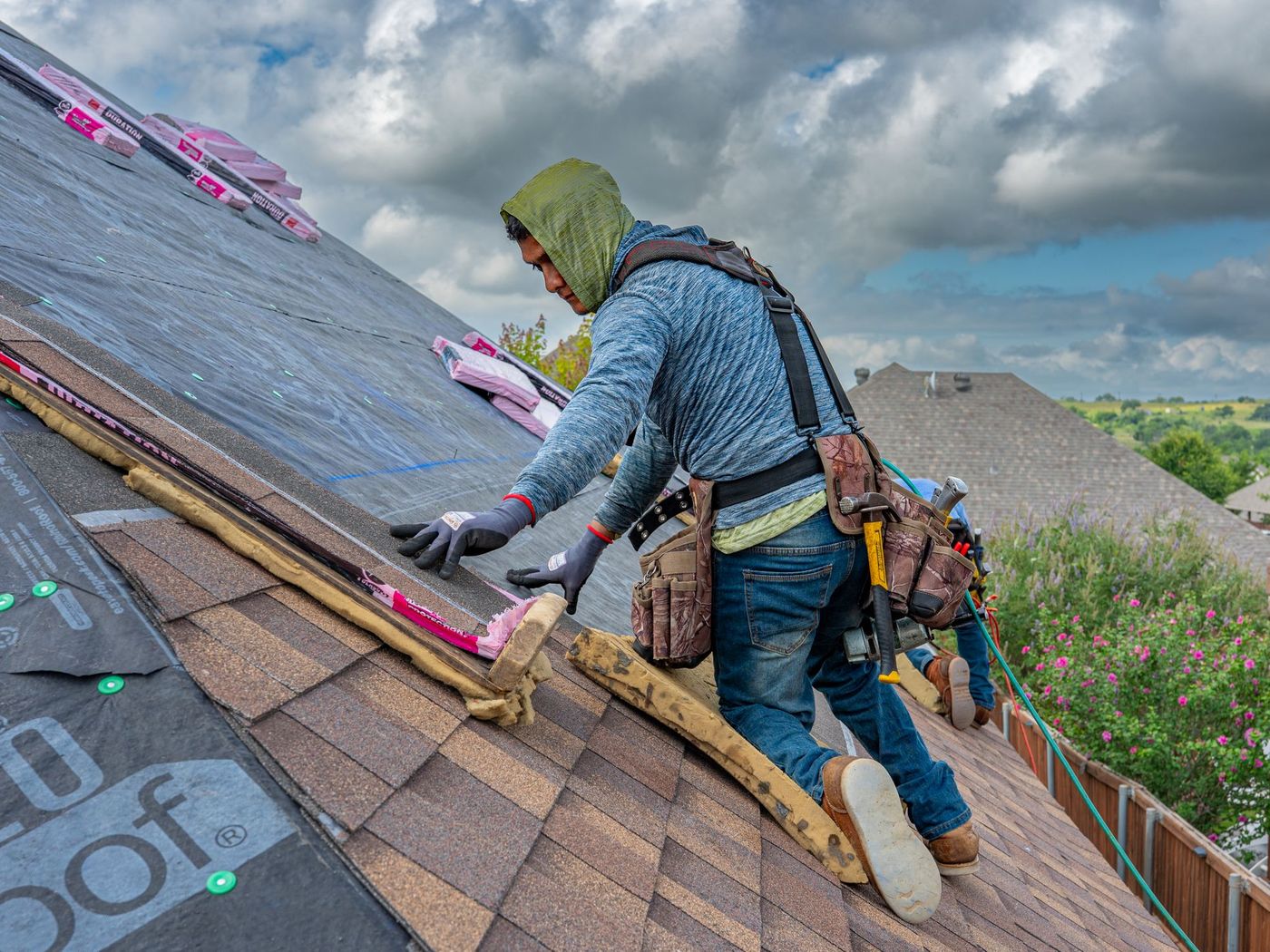 09Decking, sounded underfootWatch
Two soft sheets near the rear valley. Flagged for the proposal as a per-sheet line, not a lump sum.
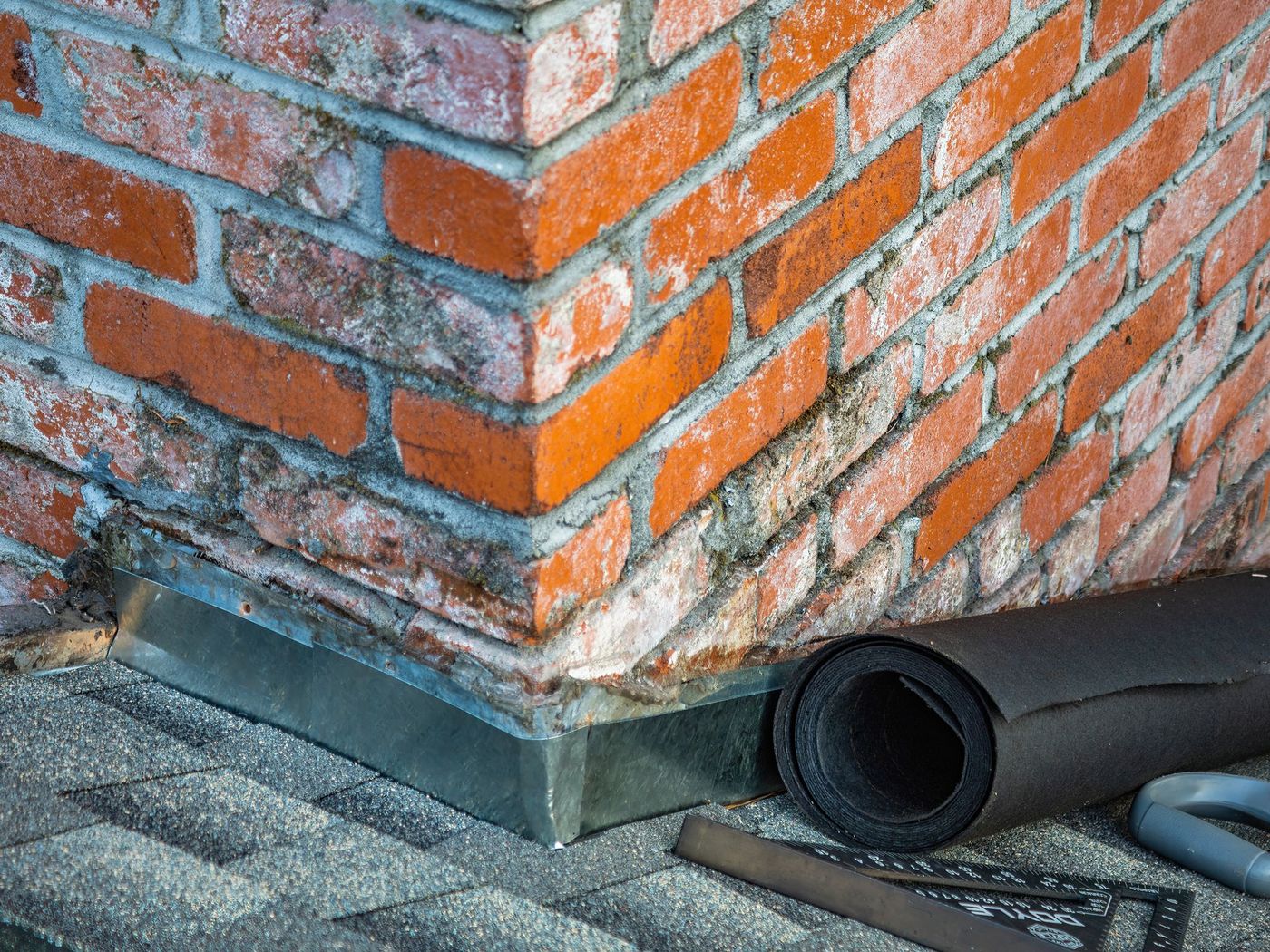 05Chimney: counter flashing and cricketFix now
Counter flashing is let into the mortar and still tight. There is no cricket, and debris and water are sitting on the uphill side.
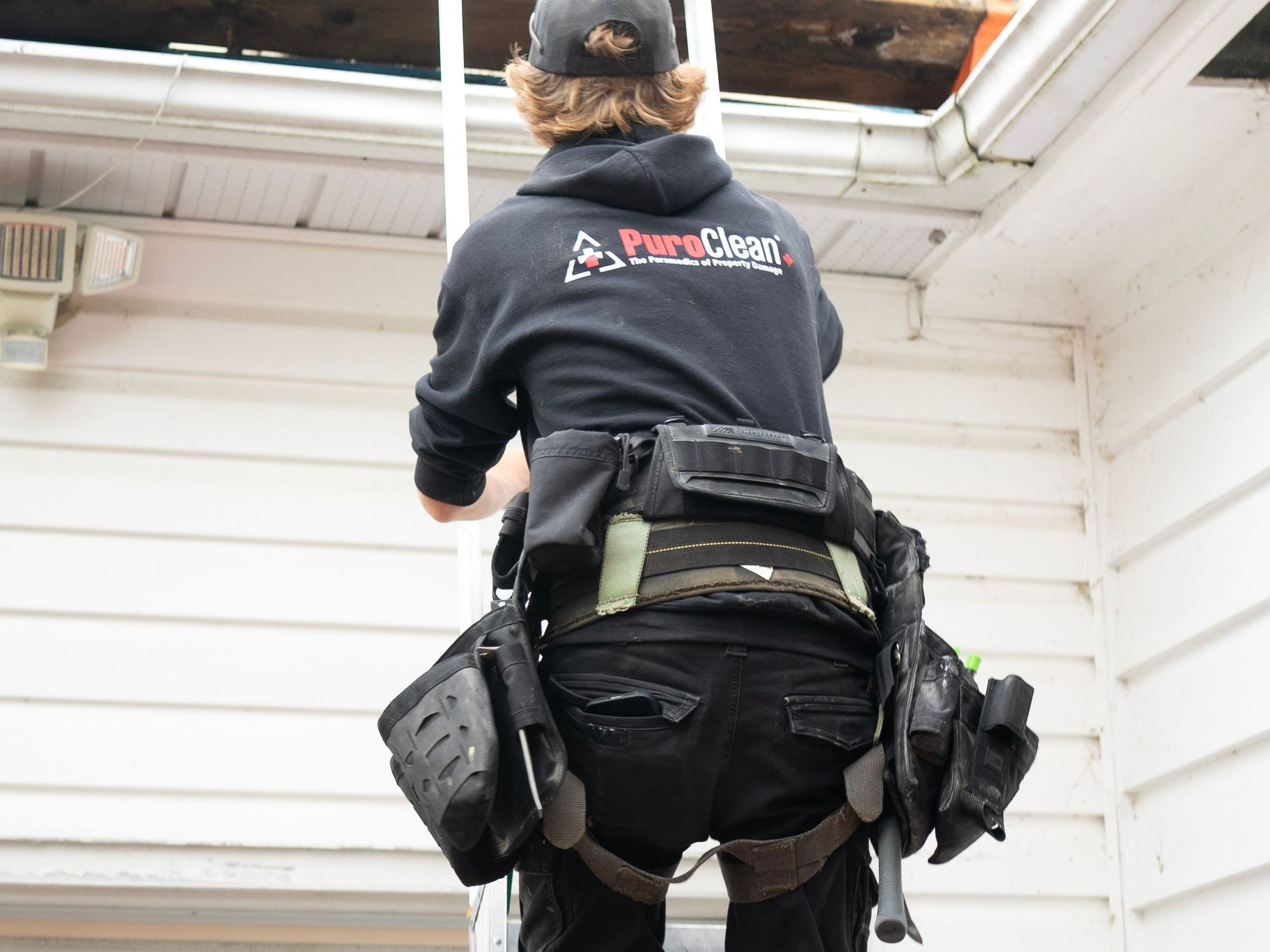 07Drip edge, eaves and rakesFix now
Missing on the rear eave, so water runs behind the gutter. Short at the left rake, fascia stained underneath.


What drives the number on your proposal
| Squares | Roof area measured in squares, not the square footage of the house below it. A steep, cut-up roof can have far more surface area than the floor plan suggests. |
|---|---|
| Pitch and walkability | A steep roof takes longer to work safely and needs more staging and fall protection, which changes labor time regardless of its size. |
| Layers to tear off | One layer of shingles comes off faster than two. Every layer past the first adds disposal weight and tear-off time. |
| Decking replacement | Rotten or soft OSB or plywood found once the old shingles are off gets replaced sheet by sheet and priced as its own line, not folded into a vague allowance. |
| Flashing, chimney, and skylight work | Step flashing, counter flashing, chimney crickets, and skylight curbs are labor-intensive detail work that varies enormously from roof to roof. |
| Shingle line chosen | Architectural shingle lines vary by manufacturer and warranty tier, and that choice is yours to make once you see the options on the proposal. |
| Permit | Huntersville and surrounding towns require a permit for a full re-roof, and that cost is itemized rather than buried. |
| Disposal | Tear-off debris has to be hauled and disposed of, and the weight changes with layer count and roof size. |
| Access and landscaping | Tight side yards, fencing, pools, and mature landscaping near the house change how a crew stages material and protects the ground. |
What a real proposal actually contains
- Measured squares and pitch, taken from the roof itself, not estimated from satellite imagery
- A tear-off line specific to the number of layers found, not assumed from the street
- A decking allowance based on what Tom actually sees once shingles come off, adjusted if more turns up
- Flashing and penetration work itemized separately from the general roofing labor
- The shingle line and any upgrade options laid out side by side
- Permit and disposal costs shown as their own lines, not folded into labor
Why we walk the roof before writing anything down
Tom gets on every roof he prices, not just the ones that look complicated from the driveway. A roof that looks fine from the ground can have soft decking around a chimney, a cracked pipe boot nobody notices until it's actively leaking, or three layers of shingles instead of the one layer the house's age would suggest. None of that shows up in a phone estimate or a satellite measurement, and all of it changes the number.
What you get afterward is a written line-item proposal, not a verbal figure and not a range. You can see what each part of the job costs, ask about any line you don't understand, and compare it against another contractor's proposal item by item instead of just comparing two lump totals that might be scoped completely differently. That's the only kind of number worth trusting on something as expensive and as permanent as a roof.
Nobody wants to hear 'it depends,' but on a roof, it always does. The proposal is where 'it depends' turns into an actual number.
Tom Kessler, owner · Sample
Questions we get on the phone
Why won't Drip Edge give me a ballpark figure over the phone?
Because a ballpark figure ignores decking condition, layer count, and flashing scope, all of which change the real number substantially. We'd rather walk the roof and hand you an accurate proposal than start you off with a figure we'll have to revise once we're up there looking at it.
Is a bigger roof always more expensive than a smaller one?
Not necessarily. Squares matter, but pitch, layer count, decking condition, and flashing complexity often matter more. A smaller, steep roof with rotten decking and three chimneys can cost more to redo than a larger, simple roof in good shape.
Does choosing a cheaper shingle line lower my whole proposal by a lot?
It changes part of the number, but tear-off, decking, flashing, permit, and disposal costs stay the same regardless of shingle line. The shingle choice affects material cost and warranty tier, not the labor-heavy parts of the job.
How long does it take to get a proposal after Tom walks my roof?
Usually within a couple of days. Tom takes measurements and photos on site, and the proposal comes back itemized so you can see every driver behind the number rather than a single total with no explanation behind it.
Get the written proposal started
Monday to Friday 7am to 6pm. Saturday 8am to 2pm. Active leaks answered after hours.