

Storm & hail
Storm and hail damage repair in Huntersville, NC
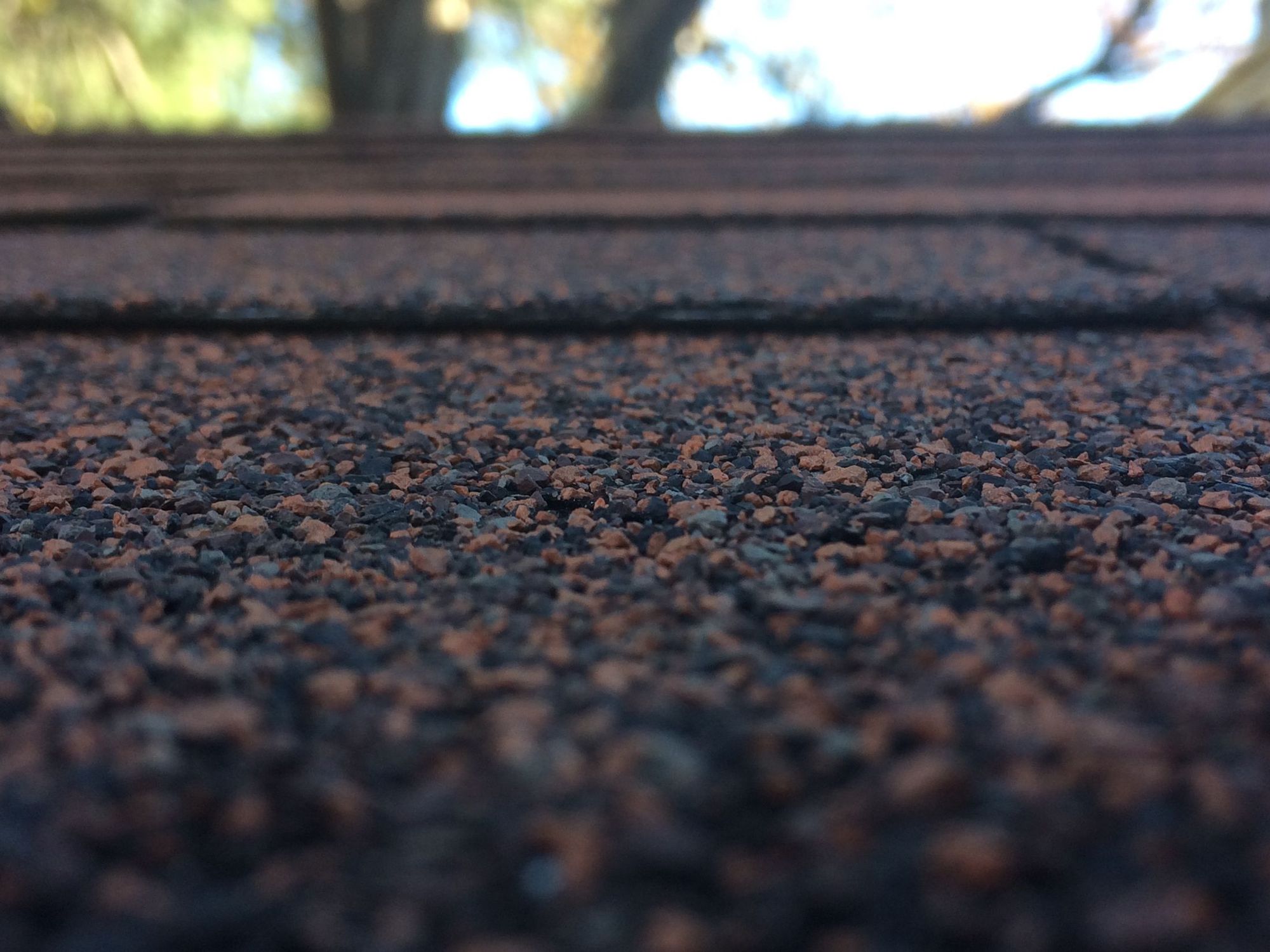
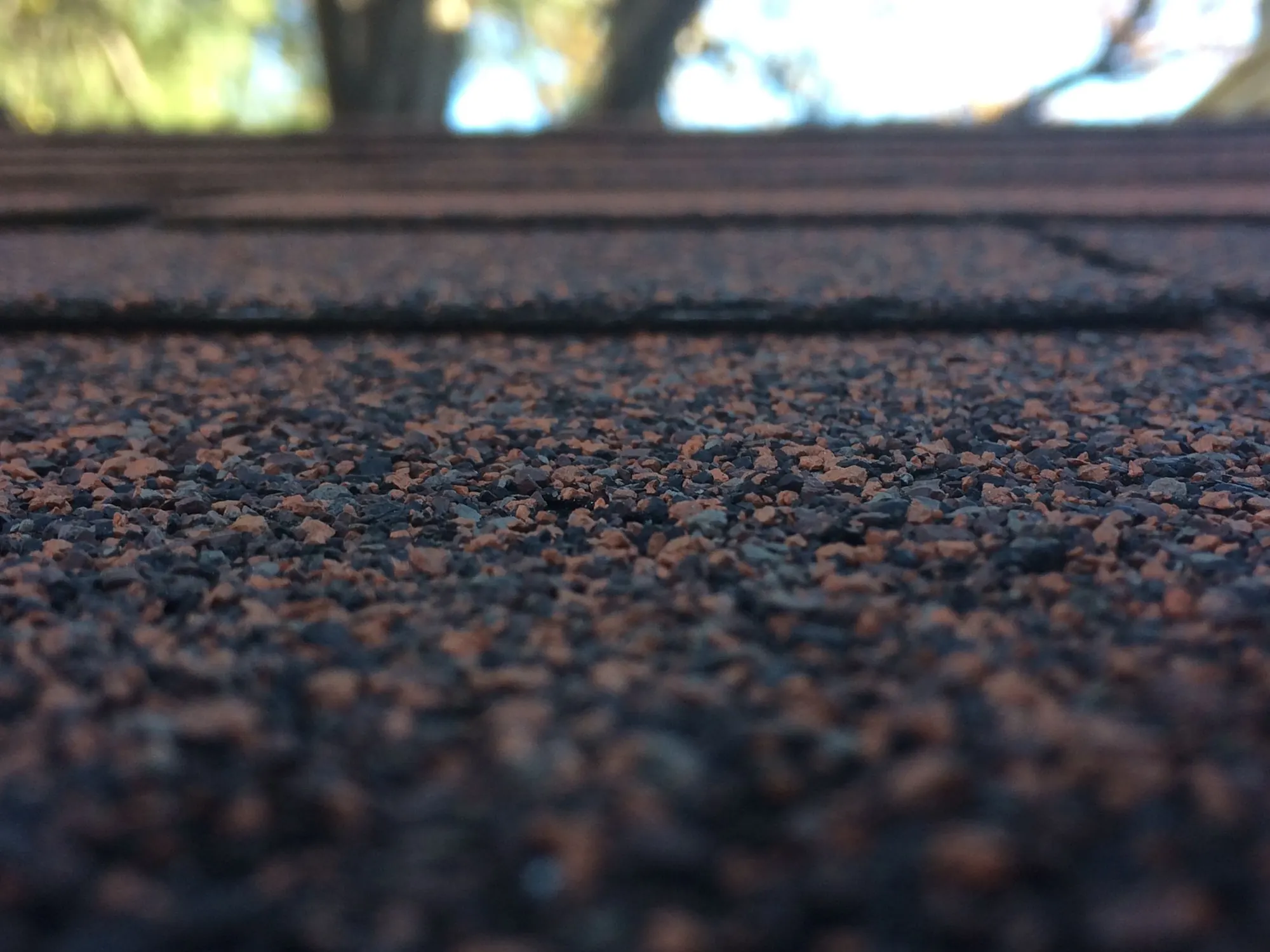
Hail damage rarely looks dramatic. It bruises the mat and knocks granules loose without leaving a hole you'd notice from the yard, which is exactly why documentation matters more than a glance from below.
Why Lake Norman wind hits these roofs harder
Open water gives wind a long, unbroken run before it reaches the tall gables common in Huntersville and Cornelius subdivisions built in the last twenty-five years. That wind lifts shingle edges and drives rain sideways under flashing that would hold fine in a straighter, calmer storm. Harrisburg and Concord sit further from the lake and see less of that specific pattern, but still take direct hail hits during the same summer systems.
Hail bruising is the tricky part. A bruise compresses the mat under the granules without breaking through, so the roof looks fine from the driveway and even fine from a quick look on the roof, but the bruised spot loses its ability to shed water over the following seasons. That's why Tom's storm walk uses the same close, point-by-point method as the 12-Point Roof Inspection, checking soft spots by hand rather than relying on a visual pass.
Gable ends catch the worst of it. A subdivision built with tall, exposed gables facing the open water side of the lake takes a different wind load than a hip roof set a few streets back, and we factor that geometry into where we look first during a storm walk. Homes near the water tend to show wind-lifted shingles at the rake edge even when the rest of the roof came through a storm largely untouched.
Metal components take a different kind of damage than shingles do. Gutters, flashing, and any exposed vent stacks show hail as a dent rather than a bruise, and those dents are often the clearest, most photographable evidence of a hail event even before we get up on the shingles themselves. We document gutter damage alongside the roof, since an adjuster who sees denting on the gutters has a harder time disputing that the roof took the same storm.
Wind and hail also expose the same builder-grade flashing shortcuts that show up during a normal flashing call, since a marginal chimney cricket or short drip edge that was barely holding on before the storm is often what finally fails during it. That's part of why the storm walk and the standard 12-Point Inspection use the same close, hands-on method rather than two different approaches.
 02Field shingles: granules and nail popsFix now
Bare spots on the south slope, granules turning up in the gutter trough, fourteen nail pops, two with the head through the mat.
 01Ridge cap and ridge ventGood
Cap is original and seated, no lifted tabs. Ridge vent is continuous but doing nothing without intake below it.
 11Gutters and downspoutsWatch
Seamless aluminum, sound, pitched away from the left downspout. Right downspout dumps against the foundation with no extension.


What the documentation includes
- Dated photographs of every affected section, not just the worst-looking spot
- A measured diagram of the roof showing where hits and wind damage are concentrated
- Notes on granule loss, mat bruising, and any cracked or missing shingles found
- Flashing and gutter damage, since hail dents seamless aluminum as readily as it bruises shingles
- A copy for your records before the claim is even filed
- A plain-language summary translating the technical scope into what it actually means for repair versus replacement
What happens after you call
- Documentation firstTom photographs and diagrams the damage with measurements, dated, before anything else happens to the roof.
- Filing helpWe help you understand what the claim needs and what the adjuster will be looking for once it's filed.
- The adjuster visitWe can walk the roof with the adjuster and point to the same checkpoints the documentation covers, so hail hits and wind-lifted edges get logged, not just what shows from a ladder at the eave.
- Supplement if neededIf the adjuster's scope misses something our documentation already caught, we supplement with photos and notes rather than starting the fight over.
- The proposalOnce the scope is settled, work moves into a normal replacement or repair schedule.
The adjuster's first pass missed the north slope entirely. Tom's photos got it added to the scope without a second inspection visit.
Homeowner, Huntersville · Sample
Questions we get on the phone
How do I know if my roof has hail damage if I can't see anything from the ground?
Hail typically bruises the mat and knocks granules loose without punching through, so it's invisible from the driveway and often from a quick look on the roof itself. That's why we walk it closely after any significant hail event in the area rather than relying on a visual check from below.
Will you meet my insurance adjuster on the roof?
Yes. We can meet the adjuster in person and walk the same points our documentation already covered. If the adjuster's scope comes back short, we supplement it with our own dated photos and measurements rather than letting the claim close on an incomplete picture.
Can a contractor waive my insurance deductible?
No, and anyone offering to waive, absorb, or rebate your deductible is breaking North Carolina law and telling you plainly what else they're willing to do off the books. We don't do it, and we'd tell you to walk away from anyone who offers.
How soon after a storm should I get the roof checked?
As soon as reasonably possible, since hail bruising doesn't get worse from waiting but a filed claim has a window and adjusters want to see damage that's clearly tied to a specific storm date. We can usually get a documentation visit scheduled within a few days of a major regional hail event.
Does wind damage get covered the same way as hail?
Generally yes, wind-lifted or missing shingles are documented the same way, with photos and a diagram tied to a specific storm date. Wind damage along the lake tends to concentrate at ridges, rakes, and gable ends, which is where we look first on any wind-related call.
Have Tom walk the roof before anyone talks about money.
Monday to Friday 7am to 6pm. Saturday 8am to 2pm. Active leaks answered after hours.