

Ventilation
Attic ventilation in Huntersville, NC
A hot attic ages shingles from underneath faster than sun does from above, and a huge share of the roofs we inspect have soffit vents painted shut without anyone realizing it cut off the intake side entirely.
Why ventilation is a system, not a single vent
Attic ventilation only works as a balanced loop: cool air enters low at the soffit and pushes warm air out high at the ridge. If either side is blocked, the other side does nothing useful. We find soffit vents painted shut constantly during repaints on these 1990s and 2000s subdivision houses, which quietly disables the intake side while the ridge vent up top keeps looking fine from the ground.
Insulation pushed too far into the eaves during an attic upgrade causes the same problem from the inside, blocking the soffit vent's airflow path even though the vent itself is unpainted and open. Either way, the attic runs hotter than it should, and that heat bakes the underside of your shingles year after year, shortening the life of a roof that otherwise looks fine.
The math on this is straightforward but often skipped: intake at the soffit needs to roughly balance exhaust at the ridge, and a roof with plenty of ridge vent but blocked soffits can be worse off than a roof with no ridge vent at all, because the ridge vent starts pulling air from wherever it can find a gap, sometimes back through gable vents or bathroom fan ducts never meant to supply attic air. That imbalance shows up as uneven attic temperatures and can pull conditioned air out of the living space through recessed lighting and other ceiling penetrations.
Roof geometry changes the calculation too. A roof with dormers, hips, or multiple intersecting rooflines has less continuous ridge length to work with than a simple gable, and Tom accounts for that when recommending whether a ridge vent addition alone solves the problem or whether a different approach makes more sense for a particular roof shape.
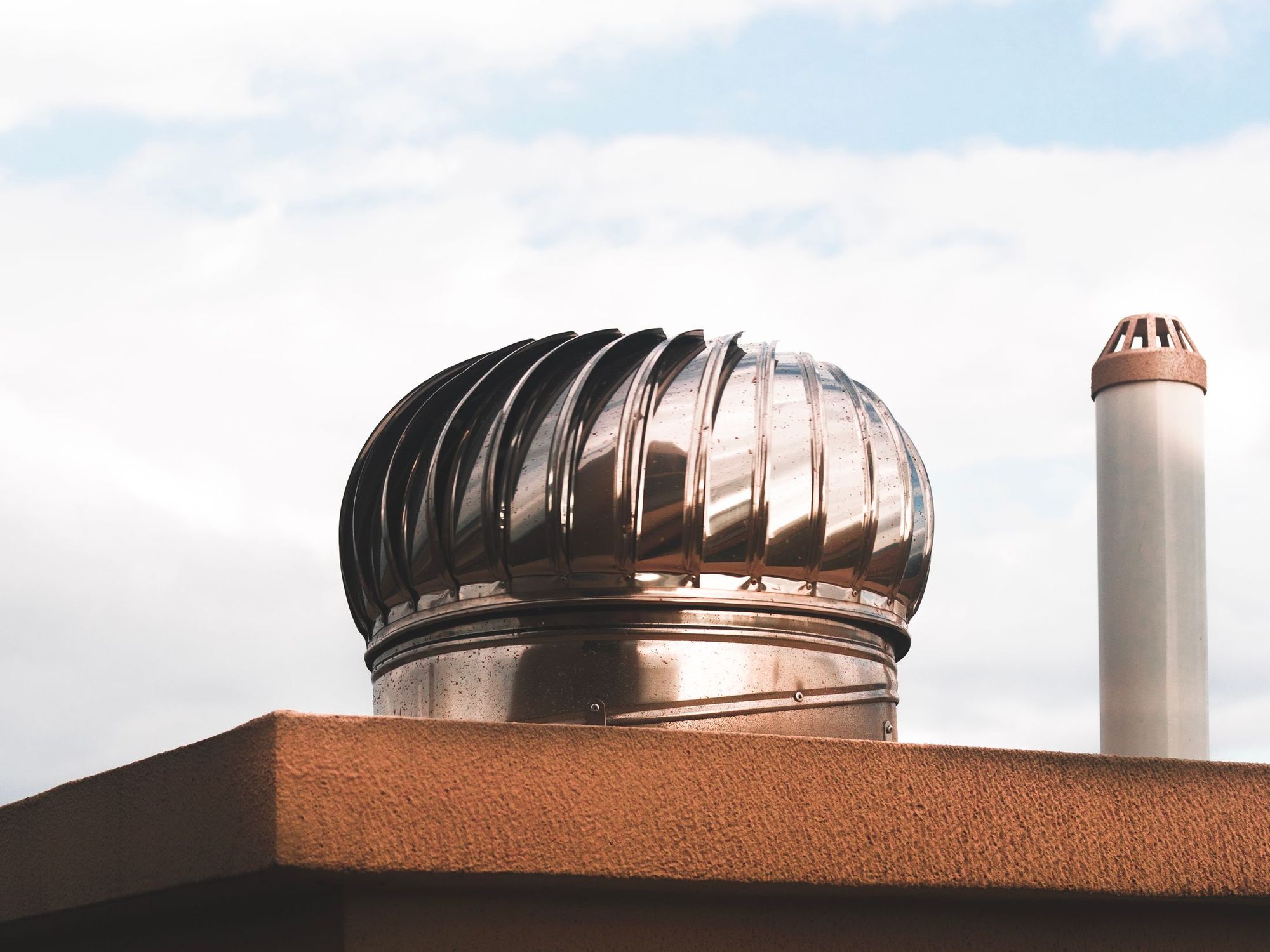 10Attic: intake, exhaust and sheathingFix now
Soffit vents painted shut along the front elevation. No intake at all. Dark staining on the north sheathing, dry to the touch.
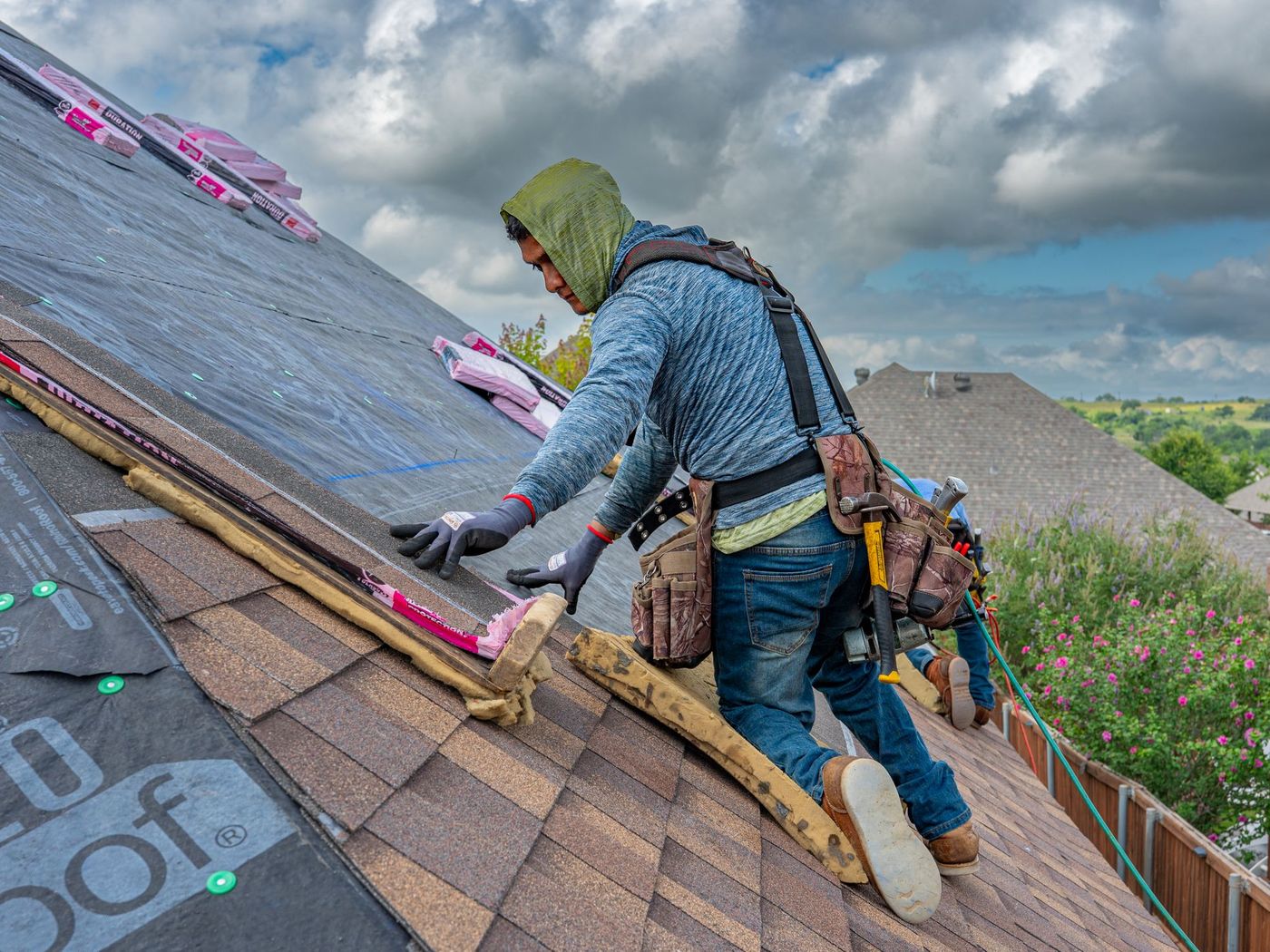 09Decking, sounded underfootWatch
Two soft sheets near the rear valley. Flagged for the proposal as a per-sheet line, not a lump sum.
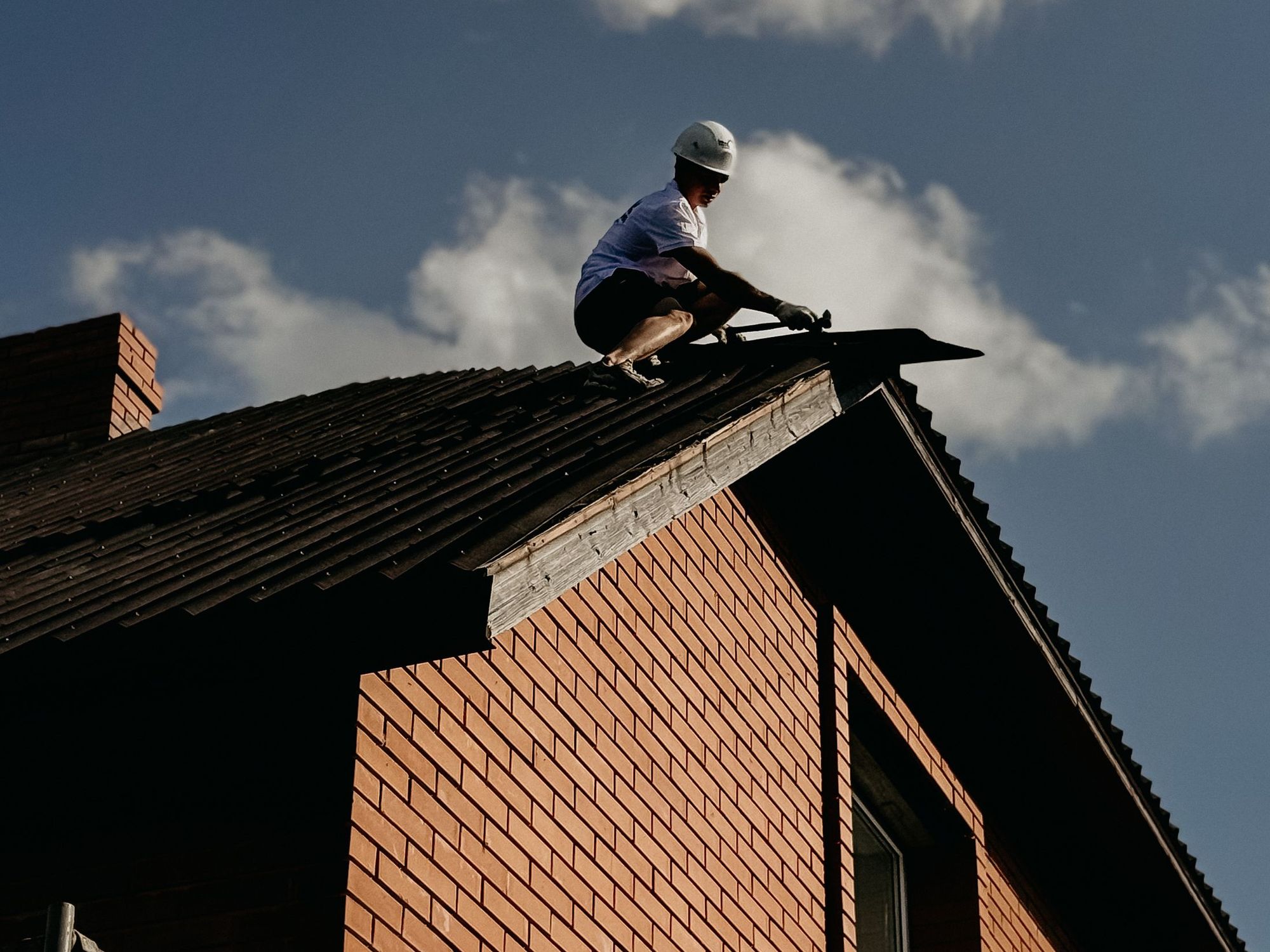 01Ridge cap and ridge ventGood
Cap is original and seated, no lifted tabs. Ridge vent is continuous but doing nothing without intake below it.


Signs of a ventilation problem
- Shingles curling or granule loss showing up faster than the roof's age would suggest
- An attic that feels noticeably hotter than expected on a summer afternoon
- Frost or moisture on the underside of the roof deck during winter, visible from inside the attic
- Soffit vents that look painted or caulked shut from the exterior
- Ice buildup at the eaves in the rare hard freeze, which points to warm air escaping unevenly through the roof deck
What we actually fix
Most of the time the fix is straightforward: clear or replace painted-shut soffit vents, correct baffles so insulation stops blocking the intake path, and confirm the ridge vent along the peak is continuous and not blocked by a previous roofing layer. On a house with no ridge vent at all, we can often add one during a replacement without changing the roofline.
This is part of what Tom checks on the 12-Point Roof Inspection, since ventilation problems are invisible from the ground but show up clearly once you're standing in the attic with a flashlight. If a bigger structural issue like decking damage from long-term poor ventilation turns up, we'll walk you through what that means for scope before quoting anything.
Nobody had mentioned our soffit vents were painted over in probably fifteen years. It explained the whole upstairs heat problem.
Homeowner, Mooresville · Sample
What drives an attic ventilation job
| Existing vent condition | Clearing painted-shut soffit vents is a small job compared to adding ridge vent where none currently exists. |
|---|---|
| Insulation baffle work | Correcting baffles blocked by insulation pushed into the eaves requires attic access and careful handling around wiring and fixtures. |
| Roof geometry | A hip roof with limited ridge length needs a different ventilation approach than a long simple gable roof. |
| Existing damage | Decking affected by long-term moisture from poor ventilation adds repair scope beyond the ventilation fix itself. |
Questions we get on the phone
How do I know if my attic ventilation is actually a problem?
The clearest signs are shingles aging faster than expected, a noticeably hot attic in summer, or frost on the underside of the roof deck in winter. Painted-shut soffit vents, visible from outside the house, are one of the most common causes we find and one of the easiest to confirm.
Can bad ventilation void my shingle warranty?
Many shingle manufacturers do require balanced attic ventilation as a condition of their material warranty, since excess heat is a documented cause of premature shingle aging. It's worth confirming your roof meets that standard, especially if a claim ever comes up.
Do I need a whole new roof to fix ventilation problems?
No, most ventilation fixes, clearing soffit vents and correcting insulation baffles, don't require touching the roof surface at all. Adding a ridge vent where none exists is more involved and is usually done alongside a replacement rather than as a standalone job.
Why does my upstairs get so much hotter than the rest of the house?
A hot, poorly ventilated attic radiates heat down into the living space below it, and upstairs rooms directly under the roof feel that first and worst. Correcting the soffit-to-ridge airflow path often makes a noticeable difference in comfort and cooling costs without any other work to the house.
Have Tom walk the roof before anyone talks about money.
Monday to Friday 7am to 6pm. Saturday 8am to 2pm. Active leaks answered after hours.