
Water heater guide
Water heater: repair or replace? A Matthews, NC guide
A water heater usually gives warning before it quits. Here is how to read the signs, and how to weigh a repair against a new unit before anyone starts a wrench.
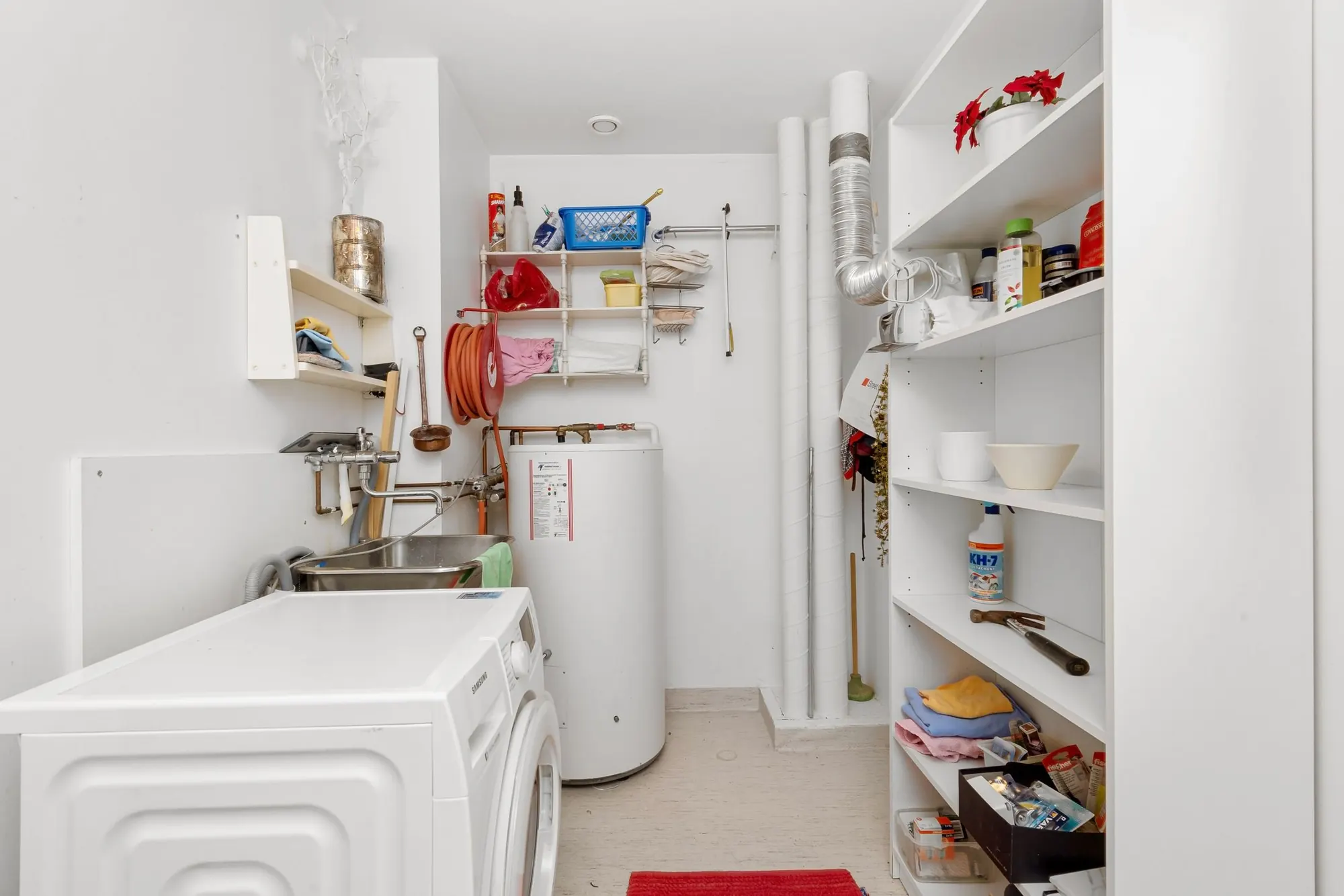
Tank or tankless: the basics
A tank water heater keeps a large drum of water hot all day and refills it as you use it. It is simple, familiar and usually the less involved install. A tankless unit heats water only when a tap opens, so there is no drum to leak or to keep warm, but it needs enough gas supply or electrical capacity to heat water on demand, and it often needs a venting change.
Neither type is better for every house. The right answer depends on how many people shower in the morning, where the unit sits, what fuel you have and what the space around it allows. If you are weighing the two, our water heater page covers what a visit to look at your setup involves.


Signs a water heater is failing
- Rust-colored water. If only the hot side runs brown or orange, the inside of the tank or its anode rod is often corroding. If both sides are discolored, the problem may be the supply pipes instead.
- Popping or rumbling. Mineral sediment builds up at the bottom of a tank, traps water under it and makes it pop as it heats. It wastes energy and is hard on the tank over time.
- Water at the base. A drip from a fitting, valve or pipe on top can be a repair. Water seeping from the bottom of the tank itself usually means the tank has failed.
- Pilot or burner trouble. A gas unit whose pilot keeps going out may have a worn thermocouple, a draft problem or a gas control issue. Repeatedly relighting it without finding the cause is not a fix.
- Lukewarm water. On an electric tank a failed heating element or thermostat is a common cause, and both are often replaceable parts.
How to judge repair versus replace
Think of three questions. First, how old is the unit? The date is on the data plate, often in the serial number. A tank that has served many years is closer to the end than the middle, and putting money into it is a different decision than fixing a young unit.
Second, what exactly failed? A bad thermostat, element, thermocouple or relief valve is a contained part problem. A leaking tank is not repairable, because the leak is the vessel itself. Third, is this the first repair or the latest in a string? One part on an otherwise sound unit is reasonable. A second or third failure in a short span suggests the whole unit is wearing out.
Ask the plumber to put the repair option and the replacement option on the same written ticket, so you can compare them side by side. Our pricing page explains what moves the number in words.
Safety with gas water heaters
Gas units burn fuel in a small space, so venting matters. If you smell gas, leave the house, call the gas utility from outside and do not touch switches. A scorched or sooty look around the top of the unit, a flame that is yellow and lazy instead of steady and blue, or a vent pipe that has come loose are all reasons to stop and have it looked at.
Do not stack storage items against a gas water heater, and do not block the combustion air it pulls from the room. If the unit is leaking, shutting off the gas control and the cold water supply is a safe first step for most homeowners. Our guide on shutting off your water walks through it.
What to prepare for an install visit
- Clear the pathMove storage away from the heater and from the route a new unit would travel, including stairs, crawlspace hatches and tight doorways.
- Know your fuel and your spaceNote whether the unit is gas or electric and where it sits: garage, closet, attic or crawlspace. Photos help the office plan.
- Plan for no hot waterWater is usually off for part of the visit. Run what you need first and keep pets and children clear of the work area.
- Ask about the old unitAsk whether removal and disposal of the old tank are on the ticket, and ask which permit or inspection steps apply. Those vary by city and county, so confirm with your local permitting office.
What to do next
If your unit is leaking from the bottom, treat it as urgent and read what counts as a plumbing emergency. Otherwise, the easiest next step is to book a visit and describe what you are seeing. Photos of the data plate and the base of the tank save time. We serve homes across the area, including Matthews, and we are open 24 hours.
Questions people ask before they call
Can a leaking water heater be repaired?
It depends on where the water comes from. A drip from a valve, supply line or fitting is often a repair. Water seeping from the bottom of the tank usually means the tank has failed internally, and that cannot be patched. Shut off the water supply and the power or gas to the unit, then have it looked at.
What is the sediment in my water heater, and does flushing help?
Sediment is mineral that settles at the bottom of a tank. Flushing can clear some of it on a healthy, younger tank. On an older tank that has never been flushed, stirring things up can cause leaks or a clogged drain valve. Ask a plumber to look before you try it.
Why does my water heater make popping sounds?
Usually sediment. Water gets trapped under the mineral layer, boils and pops its way out. It makes the unit work harder and can shorten its life. A flush or an inspection is the usual next step, and persistent noise on an older tank is a good reason to start pricing a replacement.