
Emergencies
Emergency plumbing in Matthews, NC
A pipe let go behind the water heater or the only toilet in the house won't stop running onto the floor. Call the number and a person picks up, day or night, tells you what to shut off, and gives you an arrival window.
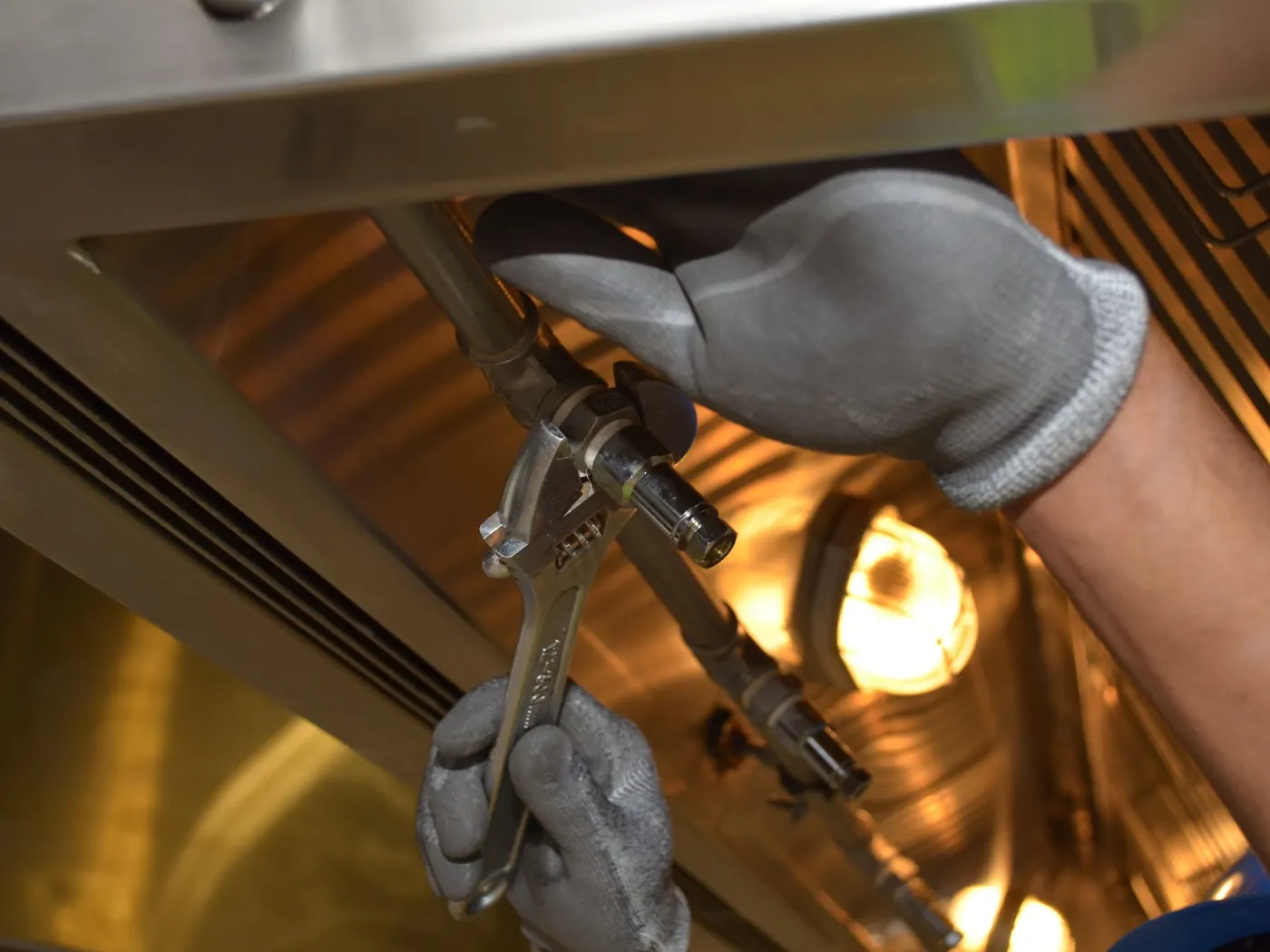
What actually counts as an emergency
Not every drip is a 2am call, and not every call needs to wait until Monday. Water actively coming into the house, a sewer backing up into a tub or floor drain, no water at all to the house, or a gas smell near an appliance are the ones to call about right now. A slow drain in a guest bathroom or a toilet that runs a little long after flushing can usually wait for a normal appointment, and whoever answers will tell you that on the phone.
Read the longer breakdown on what counts as an emergency before you decide, or just call. The person on the phone would rather talk you through it than have you stand in an inch of water debating it.


What happens after you call
- You call, a person answersWhoever's on call takes the address, what the water is doing, and whether anyone's shut off the main.
- You get an arrival windowNot "sometime today." A window for when the plumber should get there, based on where the plumbers are and what's already on the board.
- The plumber finds the source, not just the symptomA wet ceiling in Mint Hill can mean a supply line, a drain line, or a roof problem wearing a plumbing costume. Camera and thermal gear usually go in before anything gets cut.
- You hear the price before work startsThe plumber explains the fix and what it costs before tools come out. If the job turns out bigger once a wall or slab is open, you hear about that before more work is done.
- The mess gets managed, not ignoredWet-vac for standing water, drop cloths down, and the crawlspace or cabinet dried out where the plumber can. Drywall and flooring repair is usually a separate job.
What drives the price on an emergency call
| Time of day | Ask when you call how nights, weekends and holidays are priced. You'll hear it on the phone, before a plumber heads your way. |
|---|---|
| Access | A slab leak under a Matthews Township Pkwy townhome is a different job than a crawlspace off Lawyers Rd with three feet of clearance. |
| What's actually broken | A cracked PEX fitting is a fast fix. A failed cast iron stack from a 1970s Pineville house is not. |
| Water damage already done | We fix the plumbing. If drywall, flooring, or insulation is soaked, that's a separate conversation with your insurance, and we'll say so plainly. |
| Parts on the truck vs. special order | Common water heater and shutoff valve parts ride on the truck. A specific tankless unit or an old brass fitting might mean a supply run. |
Called at 11pm about water dripping through the kitchen light fixture. Truck was here before midnight and the guy found it in ten minutes.
Homeowner, Indian Trail · Sample
Questions we get on the phone
Do you actually answer the phone at night, or does it go to voicemail?
A person answers. The phone is answered around the clock, every day, including nights, weekends and holidays. Whoever picks up takes the address and what the water is doing, tells you what to shut off, and if it's genuinely urgent, gets a plumber heading your way.
Does an emergency call cost more than a daytime one?
Ask when you call and you'll hear the answer before anyone heads your way. Whoever answers can tell you how a night, weekend or holiday visit is priced. After that, what drives the price is the job itself: what broke, how hard it is to reach, and what parts it takes.
What should I do before the truck arrives?
Shut off the water at the main if you can find it, and the gas at the meter if you smell gas outside, not near the appliance. Move anything valuable off the floor if water's spreading. Don't run water anywhere in the house, and don't try to snake a drain yourself if it's backing up sewage.
How fast can a plumber get here in an emergency?
It depends on where the plumbers are and what's already on the board, so whoever answers gives you an arrival window on the phone. Water you can't stop and sewage coming into the house get treated as the most urgent calls. While you wait, shut off the main and move anything valuable off the floor.
Do you cover emergencies outside Matthews?
Yes, across Mint Hill, Indian Trail, Weddington, Waxhaw, and Pineville, the south and east side of Charlotte. The shop is in Matthews, and those are the towns within a reasonable drive of it. If you're near the edge of that area, call anyway and whoever answers will tell you whether someone can get there tonight.