
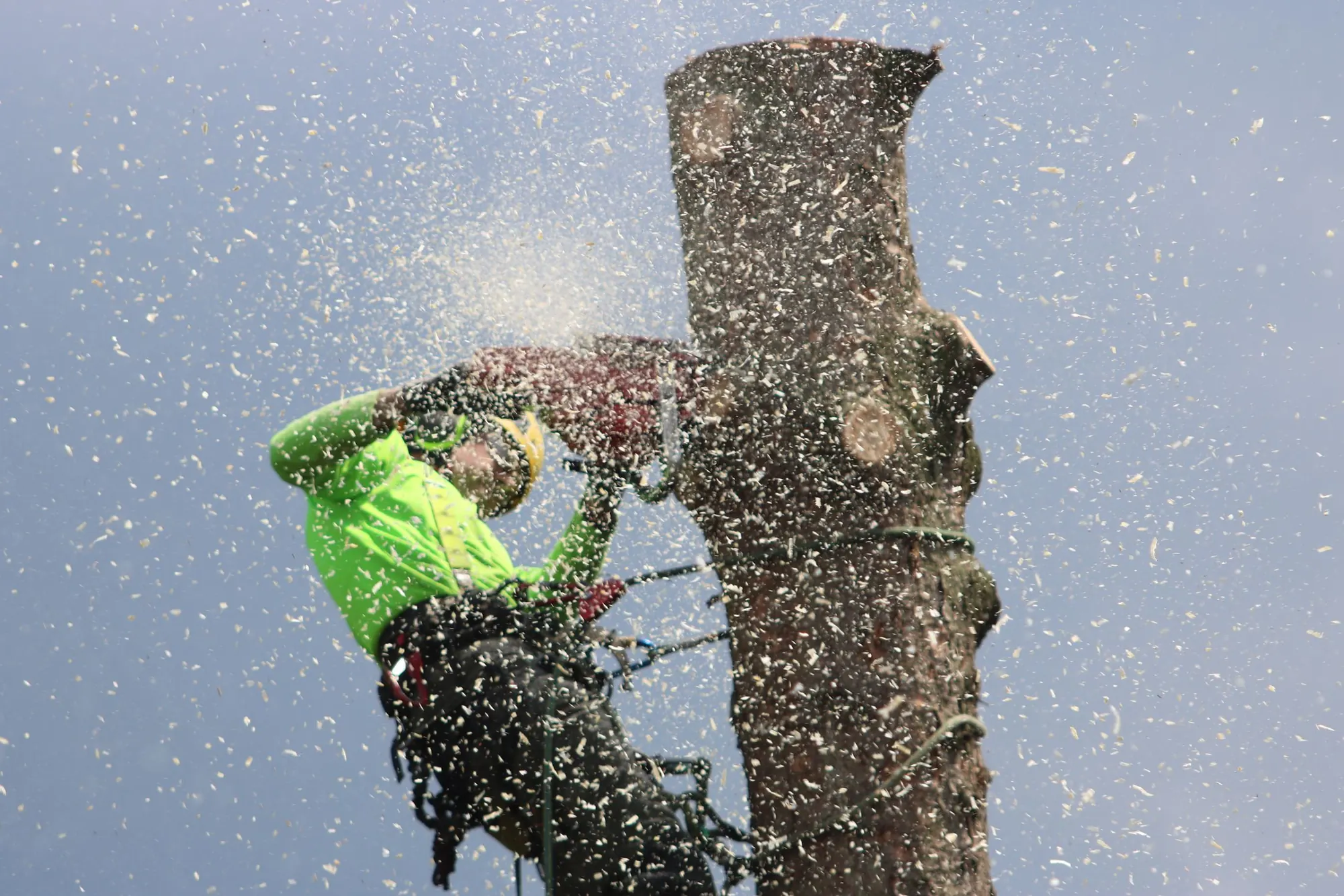
When is the best time to trim trees in Charlotte, NC?
Winter is the usual answer, but the right month depends on the tree, the goal and the weather.
Ask ten homeowners when to prune and you will hear ten answers. The truth is that you can trim a tree safely in most seasons if the cuts are right, but timing changes how well a tree heals, how it flowers and how likely it is to pick up problems. This is a practical calendar for the North Carolina Piedmont, where Charlotte sits, with notes on which trees need extra care.
Winter and late winter: the dormant season
For many hardwoods, the months when the leaves are down are the easiest time to prune. Without foliage, a climber or arborist can see the structure of the tree, find crossing branches and judge what needs to go. Many trees also react less to cuts when they are dormant, and insects and diseases that spread in warm weather are usually less active. This is a good window for structural pruning on young trees, removing deadwood and shaping shade trees.
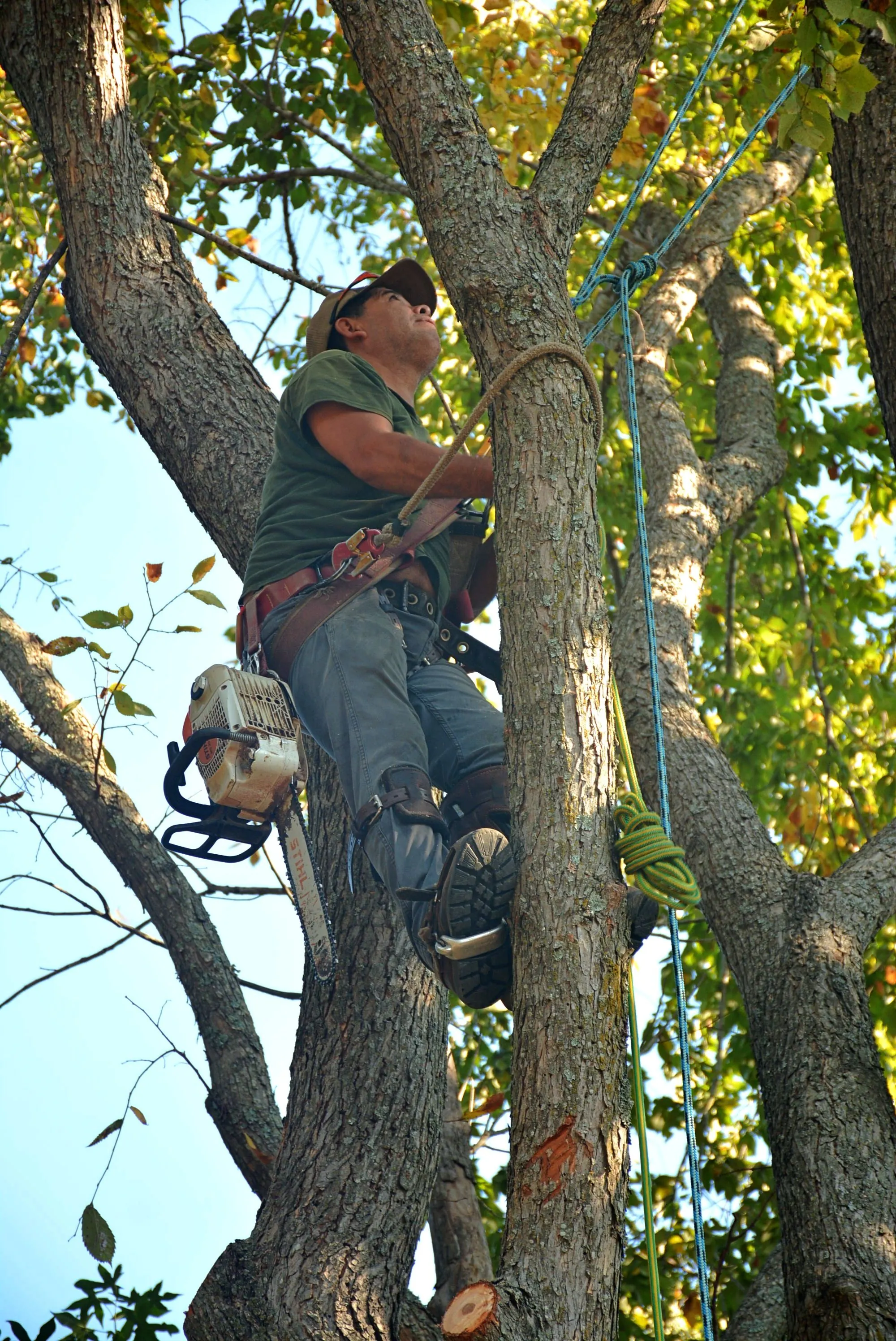
Spring: be choosy
When the sap is rising and leaves are coming out, trees put plenty of energy into growth. Light pruning can be fine, but heavy cuts at this stage can stress a tree. Spring-flowering trees such as dogwood, redbud and ornamental cherry are a special case. If you prune them in winter, you may remove the buds that would have become blooms. For these, it is often best to wait until just after they flower, and then shape them lightly.
Oaks and other trees to handle carefully
Oaks have a seasonal sensitivity that homeowners often miss. Wounds on oaks can attract insects that carry a disease called oak wilt, and the risk is generally higher during parts of the growing season. Many arborists prefer to prune oaks while they are dormant, and to avoid making fresh cuts during the warm months unless a limb is dangerous. Ask a local certified arborist about the guidance that applies near you. If a storm breaks a limb in the warm season, a clean cut is still better than leaving a torn wound.
Summer: light work and storm preparation
Summer is not the time for big reductions, but it can be a good time for specific jobs. You can remove dead or broken branches any time of year. Summer is also when you see which limbs are weak, hanging low or touching the roof, which helps you decide what to take out before storm season. Light thinning to let wind pass through the canopy, and clearance from the roof and wires, are common summer tasks. In the Piedmont, thunderstorms and tropical remnants can arrive from late spring into fall, so it helps to deal with weak limbs before they become a problem.

Fall: slow down
As the weather cools, trees are preparing for dormancy. Pruning in early fall may leave fresh cuts that heal slowly, and heavy cuts can encourage new growth that cold weather then damages. Once the leaves drop and the tree settles in, it is a better time to prune. Fall is also a good time to schedule winter work, because crews fill their calendars once the leaves are down.
A simple seasonal calendar
- Late fall through winter: structural pruning, deadwood removal and shaping for most shade trees, with oaks preferably in the dormant window.
- Early spring: light corrections before leaf-out. Wait on spring bloomers.
- After flowering: trim dogwoods, redbuds, cherries and similar trees once the blooms fade.
- Summer: remove dead or hazardous limbs, clear roofs and wires, check for weak spots before storms.
- Early fall: hold off on heavy cuts, and plan the winter list.
When it cannot wait
A broken limb hanging over a driveway, a branch resting on a roof or a tree leaning after a storm does not care what month it is. Hazards get handled when they show up. The best time to trim is the time before a branch becomes a problem, and the second best time is right now if it is already one.
What not to cut: the problem with topping
Topping means cutting large branches or the main leader back to stubs. It is common and it is harmful. Topped trees often respond with dense, weakly attached shoots that break easily. The big cuts leave wounds that may not close, which can invite decay. A topped tree usually ends up more dangerous and harder to care for than before. Good pruning removes branches back to a proper junction or to the collar, keeps the natural shape and never takes too much of the canopy at once. Crape myrtles are a common victim of this practice, so ask for proper thinning instead of a hard chop.
Other things to avoid include leaving stubs, cutting flush against the trunk, painting wounds with sealer and removing a large portion of the canopy in a single visit. Look for crews that follow ANSI A300 pruning standards. You can read about the approach on our trimming and pruning page.
What to do next
Not sure what your trees need or when? Book a free quote and we will walk the property with you. If you want a professional opinion on health or structure first, try an arborist consultation. If a tree looks sick, read our guide on how to tell if a tree is dying or dangerous, and see what drives tree work cost if you are comparing trimming to removal.
Questions about this
Can I trim trees in the summer?
Yes, for light work. Removing dead or broken limbs and clearing a roofline is fine in summer. Avoid heavy reductions in hot weather, and be careful with oaks, since fresh wounds in the warm months can raise disease risk. Ask a certified arborist for guidance.
Should I prune my crape myrtle or dogwood in winter?
It depends on the tree. Dogwoods and other spring bloomers set buds before winter, so cutting them then can remove the flowers. Wait until after they bloom. Crape myrtles usually need light thinning only, not a hard chop that leaves stubs.
Why is topping a tree a bad idea?
Topping leaves large wounds that may not heal and triggers fast, weakly attached regrowth. Over time the tree can become more prone to decay and breakage, which makes it more hazardous. Proper pruning keeps the natural shape and takes limited growth at each visit.
What should I do if a limb breaks in a storm?
If the limb is hanging over people, a roof or a line, treat it as a hazard and call a crew right away. Make a clean cut rather than leaving a torn wound. For a dangerous situation, do not wait for the ideal pruning season.
Get a written number, on the spot.
Free on-site quote, usually within 48 hours. The number we write is the number you pay.