
Planting guide
Native and low-maintenance plants for Charlotte, NC yards
Plants adapted to the North Carolina Piedmont tend to handle our clay, heat and uneven rainfall better than imports.
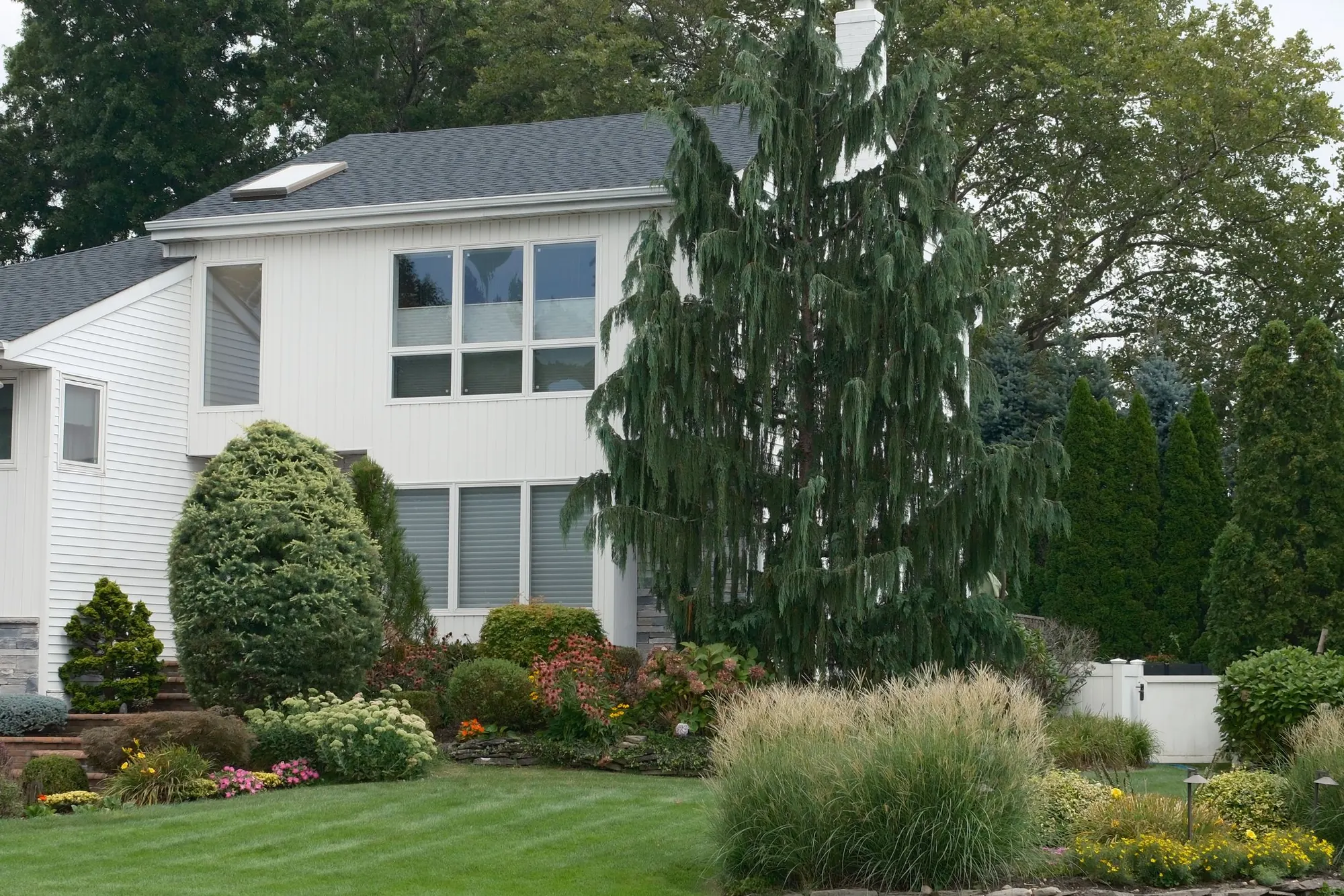


Why native and adapted plants
The Piedmont gives plants a rough deal. Summers are hot and humid, winters swing between mild and freezing, rainfall can arrive in bursts, and the soil is heavy clay. Plants that evolved here usually cope with those swings, need less coaxing once established and support local bees, butterflies and birds.
Native does not mean no work. Every new plant needs care in its first season or two. It means the long-term effort is lower and the plant is less likely to fail the first hard summer. What follows are general plant types that tend to suit the area. Exact varieties, sizes and performance depend on your site, so confirm with a local nursery.
Shrubs that earn their space
Oakleaf hydrangea is a Southeast native with big white flower clusters, interesting leaves and good fall color. It prefers part shade and well-drained soil, and it struggles in hot, dry afternoon sun. Inkberry holly is an evergreen with small glossy leaves that works as a low hedge or foundation planting, and it tolerates wet feet better than many shrubs. Native azaleas bring bright spring color and like dappled shade and soil that is not soggy. Sweetshrub and Virginia sweetspire are also worth asking about, especially in damp spots.
Boxwood and other classics can still be part of the mix, but a planting made only of one popular shrub is more exposed to disease and pests. Mixing types is more resilient and looks better through the seasons.
Right plant, right spot
The single best predictor of whether a plant thrives is whether it was put where it wants to live. Before buying anything, note how many hours of direct sun each bed gets, whether the soil stays wet or dries out fast, and how much root competition comes from nearby trees. A plant that likes sun and moisture will sulk in dry shade no matter how much you fuss over it.
Think about mature size, too. A small shrub in a nursery pot may grow wider than the bed in a few seasons, and crowding leads to constant pruning and poor airflow. Planting at the correct spacing looks sparse at first, but it saves work later. Layering helps fill the gap: groundcovers and perennials in front, shrubs behind, and a small tree as the anchor. A written planting schedule that lists bed, plant, count and mature size keeps all of this straight.

Perennials and grasses for sun
Purple coneflower, black-eyed Susan, bee balm and mountain mint thrive in full sun and bring pollinators all summer. They handle heat and mixed soil, and leaving seed heads over winter feeds birds. Switchgrass is a tall, upright native grass that gives movement and winter structure. Little bluestem is another that turns copper in fall.
For shade, look at ferns, foamflower, wild ginger and heuchera. They like moisture and organic soil, so amending a clay bed with compost helps. Dry shade under mature trees is the hardest spot in many yards, and a pro can help match plants to it.

Dealing with deer
If deer visit your neighborhood, no plant is truly deer-proof, because hungry deer eat nearly anything. Some are less appealing: inkberry and other hollies, many ornamental grasses, mountain mint and plants with strong scents or fuzzy leaves. Hydrangeas and azaleas often get nibbled. Placing tempting plants nearer the house, mixing in less palatable ones and protecting new plantings for the first season can help. Ask neighbors what survives on your street. Deer pressure also changes from year to year, and it tends to rise in dry stretches when natural food is scarce.
Planting season and watering new plants
Fall is usually the best time to plant in the Charlotte area. The soil is still warm, the air is cooler, and roots establish through winter before summer heat. Early spring is the next best window. Summer planting is possible but demands careful watering.
Dig the hole wide, not deep, and keep the top of the root ball slightly above the surrounding soil, since clay can hold water around buried crowns. Mulch a couple of inches deep but keep it off the stem. Water new plants deeply and regularly for the first season, then taper off. A common mistake is watering lightly every day, which keeps roots shallow. Our irrigation work can automate this, and planting and bed design can lay it all out.
What to do next
Not sure where to begin? Book a site walk and we will look at your light, soil and deer pressure, then suggest a mix that fits. You can also read our FAQ, the patio planning guide for planting around hardscape, or the Steele Creek page for local conditions.
Questions people ask before the walk
How often should I water new shrubs and perennials?
Most need deep watering several times a week at first, then less often as roots spread. Check the soil a few inches down rather than following a calendar. Clay holds moisture, so overwatering is as risky as underwatering. Expect to water through the first full growing season, and longer in a dry year.
Do native plants need fertilizer?
Often very little. Many natives prefer lean soil, and heavy feeding can lead to weak, floppy growth. Adding compost when preparing the bed usually helps more than fertilizer. A soil test through the county extension office can show whether anything is actually missing.
Can I plant natives in a sunny, dry spot next to the street?
Yes, many natives suit it. Look at tough sun lovers such as coneflower, black-eyed Susan and switchgrass. Even these need regular water until established. Mulch helps hold moisture, and mixing plant heights keeps the bed looking tidy when some plants die back.

Book a yard walk
Walk the yard with Luis.
A walk around the property with you, then a written proposal with the plan and the plant list.
Or call (704) 555-0163 · Mon-Fri 7:30am-5pm · Sat by appointment