
Lawn care guide
Your lawn care calendar for Charlotte, NC
Charlotte sits where cool-season and warm-season grasses both grow, so the right month for a job depends on which grass you have.
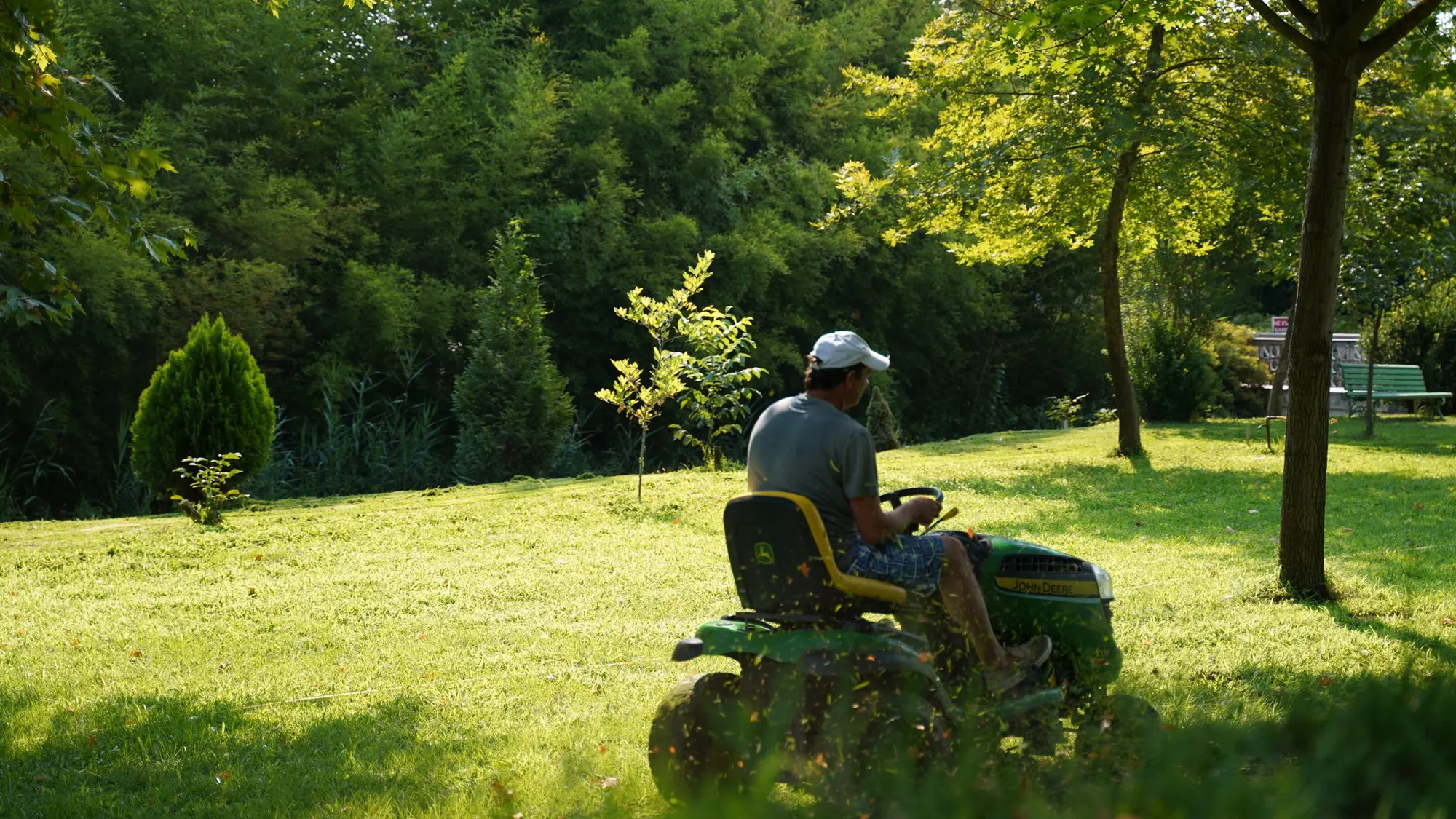


Start with the grass you actually have
Most lawns in the Charlotte area are either tall fescue or a warm-season grass, usually Bermuda or zoysia. They want opposite things at opposite times of year. Fescue grows best in spring and fall and struggles in summer heat. Bermuda and zoysia grow hard in summer and go tan after the first frosts.
If you are not sure which you have, look in January. A lawn that stays green all winter is almost certainly fescue. A lawn that turns straw colored is warm-season. Many yards are a mix, especially older ones, and a mixed lawn is a compromise. Treat it by whichever grass covers most of the sun. Dates below shift with the weather, so read them as seasons and not as fixed days.
Mowing and watering by grass type
- Tall fescue: mow high, around three to four inches, and never remove more than a third of the blade at once.
- Bermuda: mow low and often, roughly one to two inches, with a sharp blade.
- Zoysia: mow a little taller than Bermuda, often between one and a half and two and a half inches, and expect it to be slower to recover.
- Water deeply and less often, early in the morning, instead of a light sprinkle every day. Clay holds water, so a short run followed by a pause often beats one long soak.
- Leave clippings on the lawn when the grass is dry. They return nutrients and do not cause thatch.

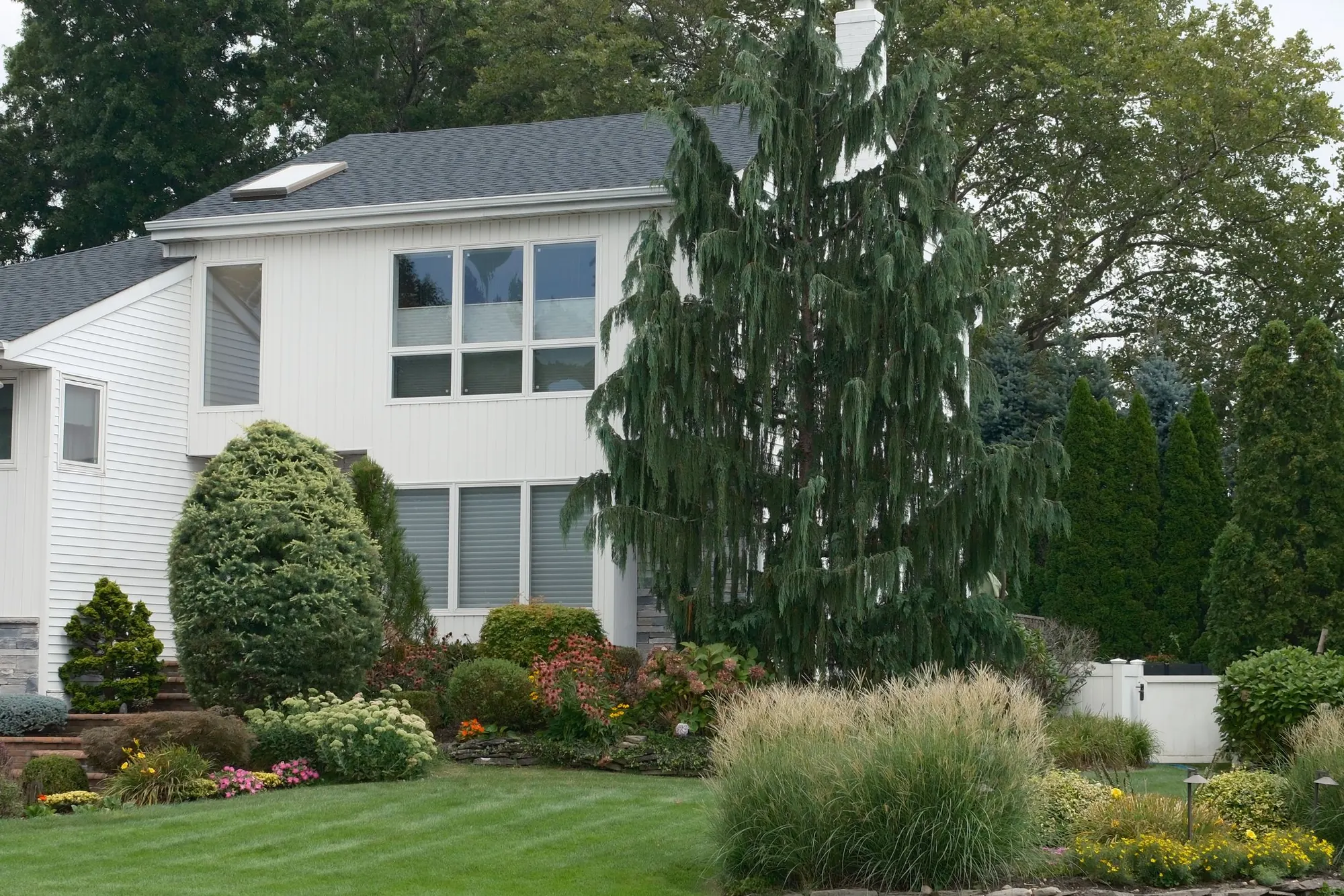
Late winter and early spring
This is the pre-emergent window. A pre-emergent product forms a barrier that stops crabgrass seed from sprouting, and it only works if it goes down before the seed germinates, usually when soil temperatures start climbing in late winter or early spring. Putting it down too late wastes the product. Many people watch the forsythia and redbud blooms as a rough signal.
Do not aerate or overseed a fescue lawn now, and hold off on heavy fertilizer. For warm-season lawns, wait until the grass has fully greened up before feeding it, because early nitrogen mostly feeds weeds. Spring is a good time to sharpen the mower blade and check the irrigation zones before the heat arrives. Our irrigation crew sees plenty of heads knocked crooked over winter.

Late spring and summer
For warm-season grass this is the main event. Bermuda and zoysia respond to aeration and fertilizer from late spring through midsummer, when they are actively growing and can fill in thin spots. Aeration pulls plugs from our compacted clay so water and air reach the roots.
For fescue, summer is about survival. Skip fertilizer in the worst heat, raise the mower deck, and water deeply instead of often. Brown patches in July are common, and a fescue lawn can look rough and still recover in fall. Watch for grubs and fungus in humid stretches, and ask a local pro before treating, since the wrong product on stressed turf does harm.
Fall: the big one for fescue
If you have fescue, September through October is your season. Aerate, overseed with a quality seed blend, and keep the seedbed damp until the new grass is up. Starter fertilizer helps seedlings, and a regular feeding in fall builds roots for next summer. Seed that goes down in the cooler months has time to establish before heat returns.
Warm-season lawns are winding down by now. Stop fertilizing them in early fall so they harden off before frost. A second pre-emergent application in fall helps with winter weeds on both types. If your lawn is too far gone for overseeding, sod and grading may be the faster fix, and fall is a better season for it than August.

Winter
Dormant warm-season grass and slow fescue need very little. Keep leaves off the turf, stay off frozen or soggy grass, and plan the year. Winter is a good time to have the soil tested through the county extension office so you know what the lawn is missing instead of guessing. It is also when firm ground makes grading and hardscape easier to schedule than saturated spring clay.
If juggling all of this sounds like a second job, our lawn care programs follow this same seasonal rhythm.
One habit pays off in every season: change what you do when the weather changes, not when the calendar says so. A cool, wet spring and a hot, dry one call for different timing, and a lawn that has been stressed by heat or drought usually needs a lighter hand, not a heavier one.
What to do next
Not sure what your lawn needs this month? Book a site walk and we will look at the grass, the soil and the water on your property together. Many lawn problems turn out to be drainage or shade problems in disguise, so you may also want our guide to yard drainage problems, and the pricing page explains how proposals are put together.
Questions people ask before the walk
Should I water my lawn every day in summer?
Usually not. Frequent light watering keeps roots shallow and invites disease. Most lawns do better with a deep soak a couple of times a week, early in the morning, adjusted for rain and heat. Check that the soil is damp several inches down. Clay soil holds moisture longer than sandy soil, so what works next door may not work for you.
Can I put down grass seed in spring instead of fall?
You can, but results are usually weaker. Spring seed has to compete with weeds and then survive summer heat before the roots are deep. For fescue, early fall is the better window. If you must seed in spring, keep it watered and expect to touch up thin areas again in the fall.
When should I put down pre-emergent in Charlotte?
Generally in late winter to early spring, before soil warms enough for crabgrass to sprout, with a second round in fall for winter weeds. Exact timing shifts with the weather each season, so watch soil temperature and local bloom cues, or ask a lawn professional what has been working this season.

Book a yard walk
Walk the yard with Luis.
A walk around the property with you, then a written proposal with the plan and the plant list.
Or call (704) 555-0163 · Mon-Fri 7:30am-5pm · Sat by appointment