Services · No-demolition diagnosis
We find leaks by listening, not guessing
Acoustic gear, pressure isolation and thermal imaging pinpoint the leak first — so the repair opens one exact spot instead of a treasure hunt through your floors.
Acoustic gear, pressure isolation and thermal imaging pinpoint the leak first — so the repair opens one exact spot instead of a treasure hunt through your floors.
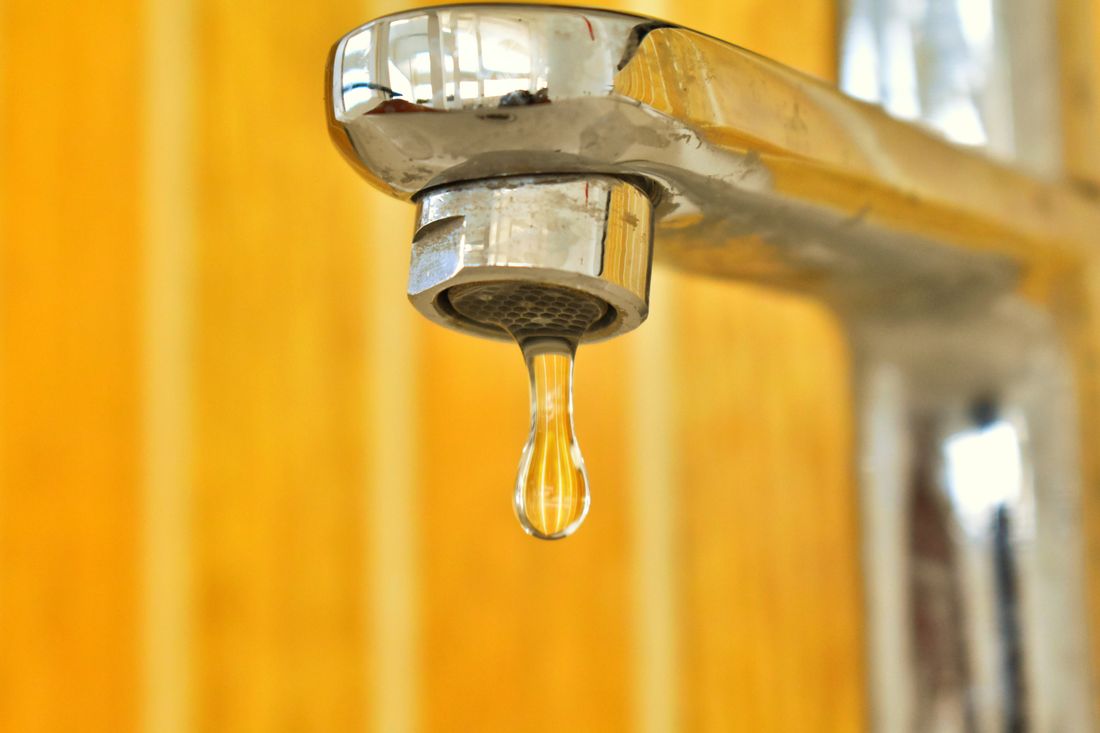
A hidden leak is the only plumbing problem that bills you twice: once on the water bill while it runs, and again in flooring, framing and mold once it surfaces. The cruel part is how quiet they are. A pinhole in a copper line under a slab can run for months at a few gallons an hour — too little to puddle, plenty to feed mold and lift hardwood — announcing itself only as a number on a Charlotte Water statement that made you squint.
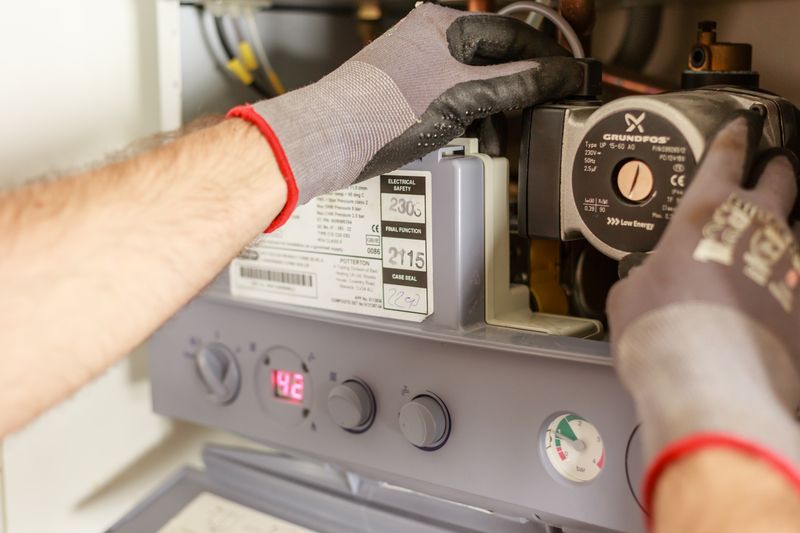
The old way to find one was archaeology: break the floor where the plumber's hunch said, and keep breaking until water appeared. We don't do hunches. Detection visits run a fixed sequence — meter test to confirm a leak exists, pressure isolation to determine which system is losing (hot, cold, or irrigation), acoustic listening to hear it through slab or wall, and thermal imaging to map hot-water leaks from above. By the end, the leak has a location measured in inches, not rooms.
If your house is a 1950s–70s ranch in Madison Park, Starmount, Montclaire or Sedgefield, there's a fair chance copper supply lines run beneath the slab. Our region's acidic red clay slowly pits copper from the outside, and the clay's famous swell-and-shrink cycle — soup in spring, brick in August — loads every buried joint. Sooner or later, one weeps. The warm spot on the floor your dog keeps choosing? That's frequently a hot-line slab leak doing the choosing.
Water bill suddenly doubled? That's the most reliable leak alarm there is. Worth a call today.
For slab leaks, you'll get two flat prices. A spot repair opens the slab at the exact point, fixes the line, and closes it — cheapest today, but the rest of that pipe run is the same age and the same metal. A reroute abandons the under-slab run entirely and brings a new PEX line overhead through walls and attic — more today, but that run can never leak under your floor again. We'll tell you plainly which one we'd pick for your house, and the quote stands either way.
Every detection ends with a written findings report and photos — useful for insurance, essential if you're negotiating a home purchase, and honestly just satisfying to have. The leak loses its biggest advantage the moment it has an address.
Describe what tipped you off — a licensed plumber calls back with next steps.
Stop watching the meter spin. One visit, one pinpoint, two honest prices.